Lithium Hydroxide → 2-[(2-Nitrophenyl)amino]benzo[b]thiophene-3-carbonitrile
Reaction equation

[NH2:1][C:2]1[S:6][C:5]2[CH:7]=[CH:8][CH:9]=[CH:10][C:4]=2[C:3]=1[C:11]#[N:12].F[C:14]1[CH:19]=[CH:18][CH:17]=[CH:16][C:15]=1[N+:20]([O-:22])=[O:21].[OH-].[Li+]>CS(C)=O>[N+:20]([C:15]1[CH:16]=[CH:17][CH:18]=[CH:19][C:14]=1[NH:1][C:2]1[S:6][C:5]2[CH:7]=[CH:8][CH:9]=[CH:10][C:4]=2[C:3]=1[C:11]#[N:12])([O-:22])=[O:21]Participants
5

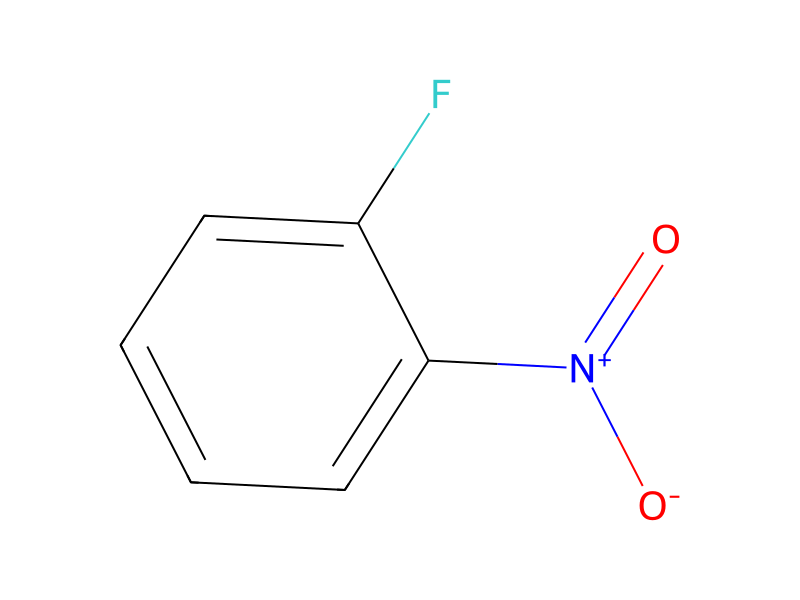



Conditions
- Temperature
- 50 °C
Procedure
By using a method similar to the method of Example 490, combine 2-amino-benzo[b]thiophene-3-carbonitrile (3.56 g, 20.5 mmol), 2-fluoro-nitrobenzene (2.88 g, 20.5 mmol) and Lithium hydroxide (0.96 g, 41.0 mmol) ) in 50 mL of DMSO and heat to 50 ° C., after over night heating to give 5.0 g, yield 83%. Mass spectrum: ES(+) (m/e): 296.0 ((M+1); 1H NMR (400 MHz, DMSO-d6) ppm: 10.27 (s, 1H), 8.13 (dd, 1H, J=1.7 Hz, J=8.3 Hz), 7.91–7.89 (m, 1H), 7.76–7.72 (m, 1H), 7.64–7.57 (m, 2 H), 7.48–7.44 (m, 1H), 7.36–7.32 (m, 2H).
Workup
- temperatureafter over night heating
- customto give 5.0 g, yield 83%
Sources & evidence
- ORD record
- ord-cc1d2d3b38fe46e1a6e6b1c5721fffc8
- Source dataset
- uspto-grants-2007_05
- Patent number
- US07214673B2
Reaction notes
Loading…