Acetonitrile → HCID 21889441, compound
Reaction equation

[CH:1]([C:4]1[C:9]([N+:10]([O-:12])=[O:11])=[C:8]([CH:13]([CH3:15])[CH3:14])[CH:7]=[C:6]([CH:16]([CH3:18])[CH3:17])[C:5]=1[S:19]([OH:22])(=[O:21])=[O:20])([CH3:3])[CH3:2].C(#N)C.[Ag:26]=O>CC(C)=O>[CH:1]([C:4]1[C:9]([N+:10]([O-:12])=[O:11])=[C:8]([CH:13]([CH3:14])[CH3:15])[CH:7]=[C:6]([CH:16]([CH3:18])[CH3:17])[C:5]=1[S:19]([O-:22])(=[O:21])=[O:20])([CH3:2])[CH3:3].[Ag+:26]Participants
5
Reactant 3

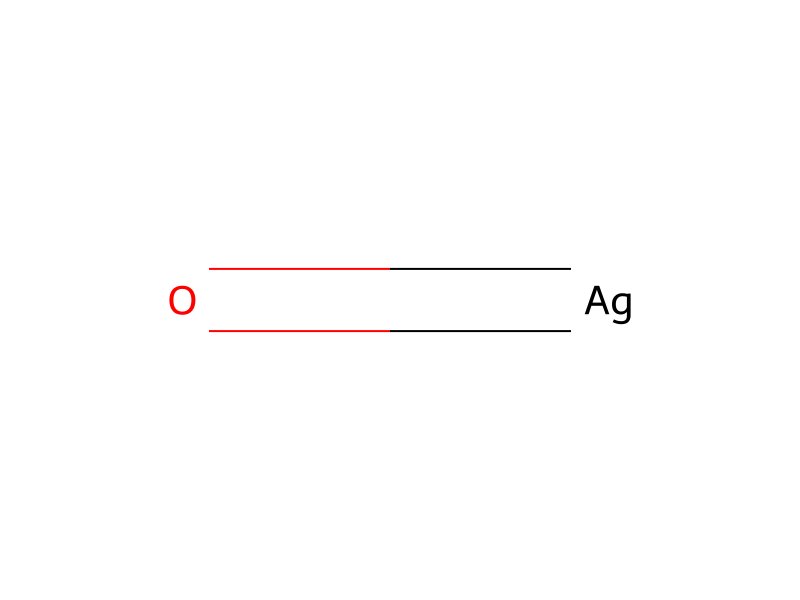

Product 1

Reagents, catalysts & solvents 1

Procedure
Into a flask were charged 20 parts of 2,4,6-triisopropyl-3-nitrobenzenesulfonic acid, 80 parts of acetonitrile and 40 parts of acetone, and the mixture was stirred at room temperature for 16 hours. To this was added 7.46 parts of silver oxide, and the mixture was stirred at room temperature for 16 hours, and then filtered and concentrated to obtain 23.68 parts of silver 2,4,6-triisopropyl-3-nitrobenzenesulfonate.
Workup
- stirringthe mixture was stirred at room temperature for 16 hours
- filtrationfiltered
- concentrationconcentrated
Sources & evidence
- ORD record
- ord-69941d1e013c4be3a0ce3a0526dd9244
- Source dataset
- uspto-grants-2007_05
- Patent number
- US07220532B2
Reaction notes
Loading…