4-Nitrobenzonitrile → HCID 21100345, compound
Reaction equation

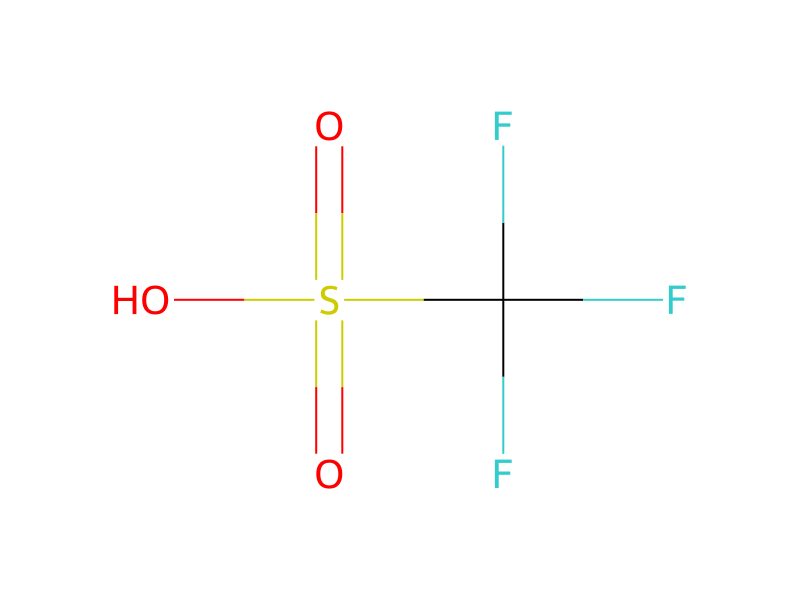
[N+:1]([C:4]1[CH:11]=[CH:10][C:7]([C:8]#[N:9])=[CH:6][CH:5]=1)([O-:3])=[O:2].[CH3:12][C:13]([C:15]1[C:20]([Cl:21])=[CH:19][CH:18]=[CH:17][C:16]=1[Cl:22])=[O:14].C([O-])(=O)C.C([O-])(=O)C.C1([I+2])C=CC=CC=1.FC(S(O)(=O)=O)(F)F>>[Cl:21][C:20]1[CH:19]=[CH:18][CH:17]=[C:16]([Cl:22])[C:15]=1[C:13]1[O:14][C:8]([C:7]2[CH:6]=[CH:5][C:4]([N+:1]([O-:3])=[O:2])=[CH:11][CH:10]=2)=[N:9][CH:12]=1Participants
5



Procedure
4-Nitrobenzonitrile and 2,6-dichlorophenyl methyl ketone can be reacted with phenyliodine (III) diacetate and trifluoromethylsulfonic acid by the method of R. S. Varma, et al, J. Heterocyclic Chem., 1998, 35(6), 1533–1534 to give 5-(2,6-dichlorophenyl)-2-(4-nitrophenyl)-1,3-oxazole. The nitrophenyl group can be reduced to the corresponding aniline with tin (II) dichloride or iron powder and ammonium chloride. Reaction of this aniline with 2,2-dichloroacetyl chloride and triethylamine can then give 2,2-dichloro-N-[4-[5-(2,6-dichlorophenyl)-2-(1,3-oxazolyl)]phenyl]acetamide.
Sources & evidence
- ORD record
- ord-2192b2bd432f4c98953a25d84f877ac2
- Source dataset
- uspto-grants-2007_05
- Patent number
- US07220745B2
Reaction notes
Loading…