Trifluoroacetic acid → Trifluoroacetic acid--azepan-2-one (1/1)
Reaction equation

[C:1]1(=[O:8])[NH:7][CH2:6][CH2:5][CH2:4][CH2:3][CH2:2]1.[F:9][C:10]([F:15])([F:14])[C:11]([OH:13])=[O:12]>C1C=CC=CC=1>[F:9][C:10]([F:15])([F:14])[C:11]([OH:13])=[O:12].[C:1]1(=[O:8])[NH:7][CH2:6][CH2:5][CH2:4][CH2:3][CH2:2]1Participants
Reactant 2

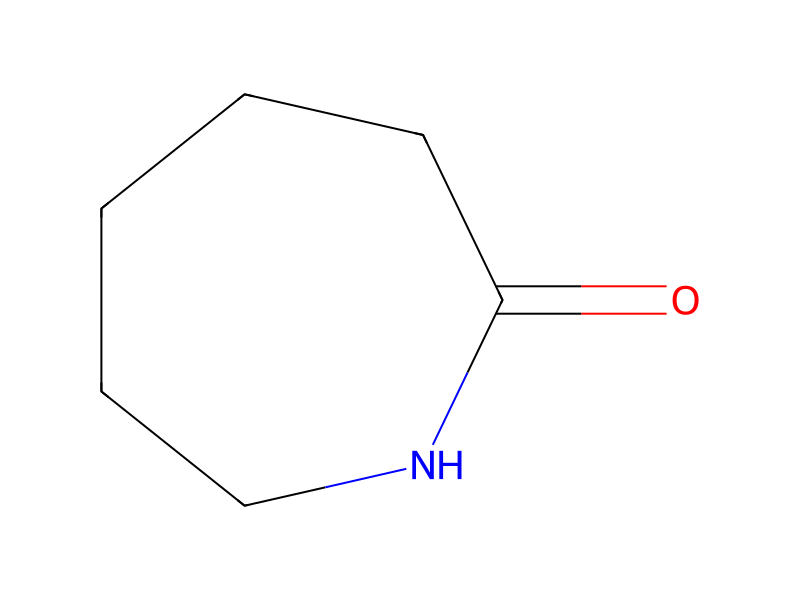
Product 1

Reagents, catalysts & solvents 1

Procedure
To a 100 ml flask containing 11.32 g of ε-caprolactam (0.1 mol), 30 ml benzene was added and stirred for dissolution. 11.40 g of trifluoroacetic acid (0.1 mol) was added dropwise into the flask over 60 min at room temperature. Then the reaction was stirred for another 4 hours. Desired product was formed after benzene was removed under reduced pressure and dried at 110° C. under 1–5 mmHg for 1 hour. The colorless, moisture- and water-stable liquid of caprolactam trifluoroacetate was obtained with a yield of 97.5%, which has a glass transition temperature of −68.0° C., a density of 1.26 g/ml, a viscosity of 28 cP, an electrochemical window of 1.9 V, an ionic conductivity of 1.17×10⁻⁴ S/cm, and a Hammett acidic scale H0 of 4.54 using methyl yellow as indicator. No melting point was observed.
Workup
- additionwas added
- stirringThen the reaction was stirred for another 4 hours
Sources & evidence
- ORD record
- ord-0061dd2f42324148bc07a6d8ad26d73d
- Source dataset
- uspto-grants-2007_05
- Patent number
- US07220869B2
Reaction notes
Loading…