4-Fluorophenyl isocyanate → 7-Chloro-4-[5-(4-fluorophenylaminocarbonyl)-2,5-diazanorbornan-2-yl]quinoline
Reaction equation

[Cl:1][C:2]1[CH:11]=[C:10]2[C:5]([C:6]([N:12]3[CH2:17][CH:16]4[CH2:18][CH:13]3[CH2:14][NH:15]4)=[CH:7][CH:8]=[N:9]2)=[CH:4][CH:3]=1.[F:19][C:20]1[CH:25]=[CH:24][C:23]([N:26]=[C:27]=[O:28])=[CH:22][CH:21]=1>C(Cl)Cl.CO>[Cl:1][C:2]1[CH:11]=[C:10]2[C:5]([C:6]([N:12]3[CH2:17][CH:16]4[CH2:18][CH:13]3[CH2:14][N:15]4[C:27]([NH:26][C:23]3[CH:24]=[CH:25][C:20]([F:19])=[CH:21][CH:22]=3)=[O:28])=[CH:7][CH:8]=[N:9]2)=[CH:4][CH:3]=1Participants
4


Procedure
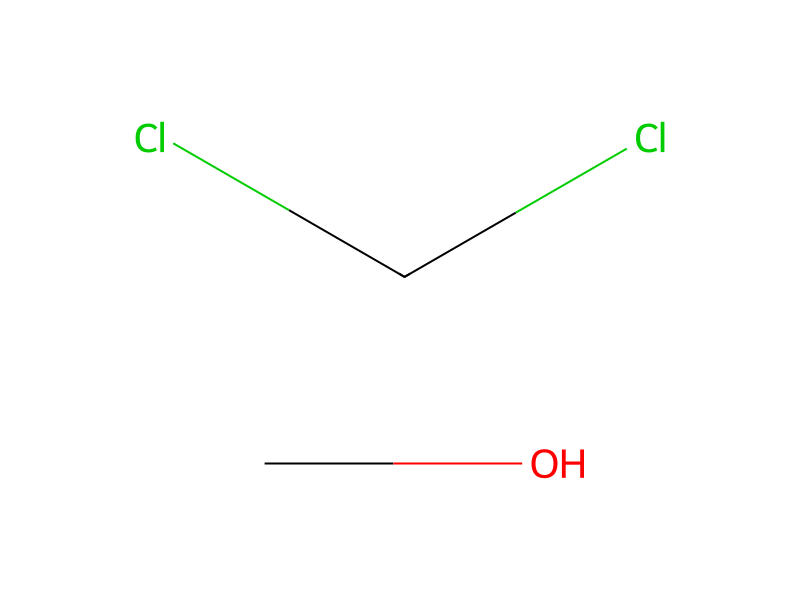
7-Chloro-4-(2,5-diazanorborn-2-yl)quinoline (110 mg, 0.42 mmol) and 4-fluorophenyl isocyanate (67 μL, 0.59 mmol) are reacted according to method C yielding the title product as a colorless solid after column chromatography with CH2Cl2-MeOH.
Sources & evidence
- ORD record
- ord-61b11e9f6a80460ca480cb5c1ef3636a
- Source dataset
- uspto-grants-2007_05
- Patent number
- US07220856B2
Reaction notes
Loading…