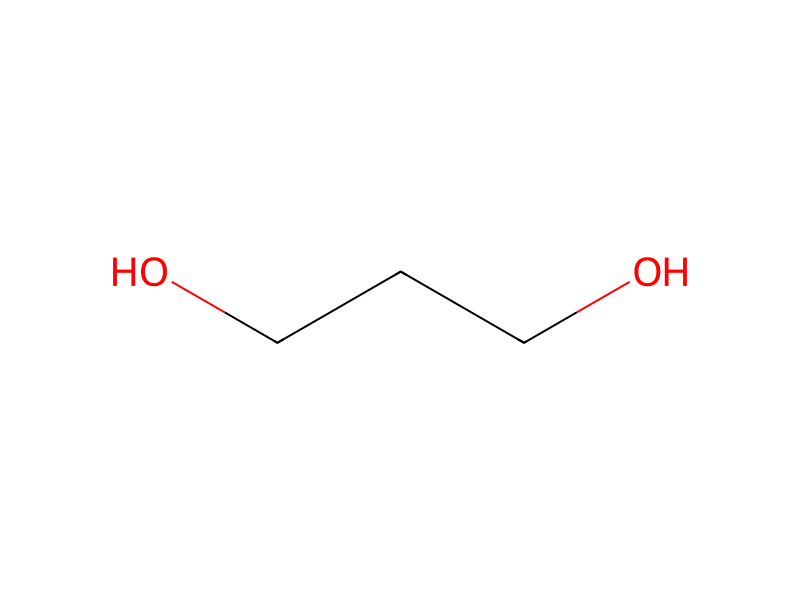
1,3-Propanediol → HCID 131726459, compound
Reaction equation

Br[C:2]1[N:7]=[N:6][C:5]([N:8]2[CH:14]3[CH2:15][CH2:16][N:11]([CH2:12][CH2:13]3)[CH2:10][CH2:9]2)=[CH:4][CH:3]=1.C(B(CC)[C:20]1[CH:21]=[N:22][CH:23]=[CH:24][CH:25]=1)C.[C:28](=[O:31])([O-:30])[O-].[K+].[K+].[CH2:34](O)[CH2:35][CH2:36][OH:37].[O:39]1CCOCC1>>[C:36]([OH:37])(=[O:39])/[CH:35]=[CH:34]/[C:28]([OH:30])=[O:31].[N:22]1[CH:23]=[CH:24][CH:25]=[C:20]([C:2]2[N:7]=[N:6][C:5]([N:8]3[CH:14]4[CH2:15][CH2:16][N:11]([CH2:12][CH2:13]4)[CH2:10][CH2:9]3)=[CH:4][CH:3]=2)[CH:21]=1Participants
6




Procedure
A mixture of 4-(6-bromo-pyridazin-3-yl)-1,4-diazabicyclo[3.2.2]nonane (0.49 g, 1.7 mmol), diethyl-3-pyridylborane (0.38 g, 2.6 mmol), aqueous potassium carbonate (2.6 ml, 2M), palladium(0)tetrakistriphenylphosphine (59 mg, 0.051 mmol), 1,3-propandiol (0.37 ml, 5.1 mmol) and dioxane (5 ml) was stirred at reflux for 15 hours. The mixture was evaporated. Aqueous sodium hydroxide (10 ml, 4M) was added. The mixture was extracted with dichloromethane (3×20 ml). Chromatography on silica gel with dichloromethane, 10% methanol and 1% aqueous ammonia as solvent gave the title compound as an oil. Yield 0.10 g, 21%.
Workup
- temperatureat reflux for 15 hours
- customThe mixture was evaporated
- additionAqueous sodium hydroxide (10 ml, 4M) was added
- extractionThe mixture was extracted with dichloromethane (3×20 ml)
Sources & evidence
- ORD record
- ord-3bd49ec799fb4f47a2141b83a4087a24
- Source dataset
- uspto-grants-2007_05
- Patent number
- US07223753B2
Reaction notes
Loading…