Cesium carbonate → HCID 21105521, compound
Reaction equation

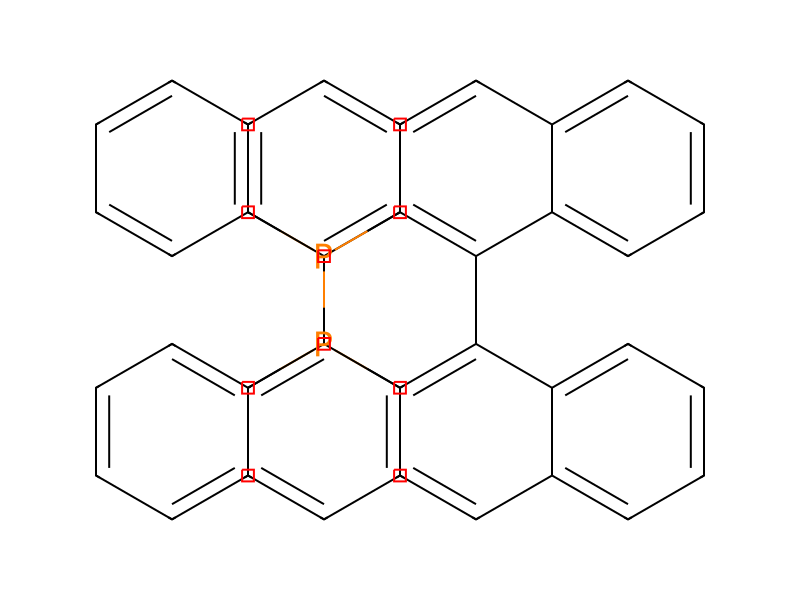
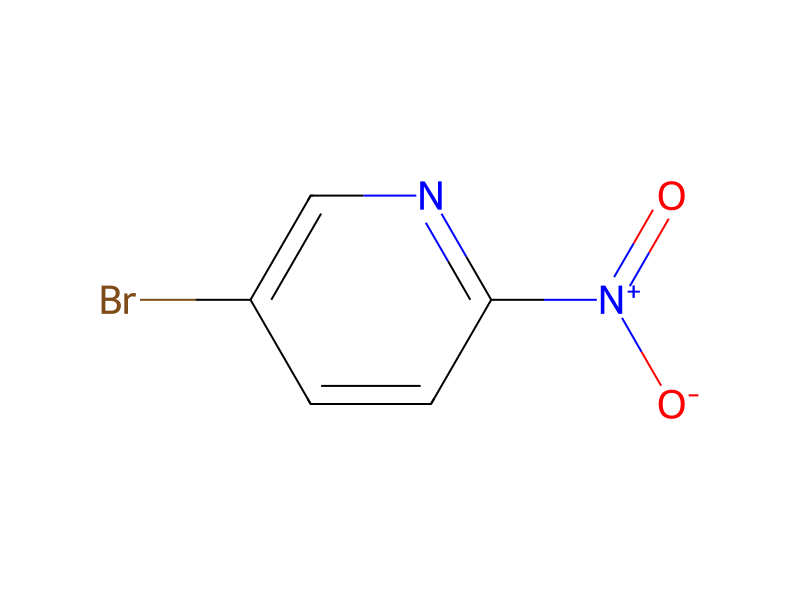
Br[C:2]1[CH:3]=[CH:4][C:5]([N+:8]([O-])=O)=[N:6][CH:7]=1.[CH3:11][N:12]([CH3:18])[CH:13]1[CH2:17][CH2:16][NH:15][CH2:14]1.C1C=CC(P(C2C=CC3C(=CC=CC=3)C=2C2C3C(=CC=CC=3)C=CC=2P(C2C=CC=CC=2)C2C=CC=CC=2)C2C=CC=CC=2)=CC=1.C(=O)([O-])[O-].[Cs+].[Cs+]>C1(C)C=CC=CC=1.C([O-])(=O)C.[Pd+2].C([O-])(=O)C>[CH3:11][N:12]([CH3:18])[CH:13]1[CH2:17][CH2:16][N:15]([C:2]2[CH:3]=[CH:4][C:5]([NH2:8])=[N:6][CH:7]=2)[CH2:14]1Participants
7





Conditions
- Temperature
- 100 °C
Procedure
A suspension of 5-bromo-2-nitropyridine (2 g), 3-(dimethylamino)pyrrolidine (1.14 g), (R)-(+)2,2′-bis(diphenylphosphino)-1,1′-binaphthyl (0.5 g), palladium(II) acetate (0.09 g), cesium carbonate (4.5 g) in toluene (20 ml) was heated at 100° C. for 3 hours. Cooling to room temperature was followed by extraction with 1N hydrochloric acid (2×100 ml). The aqueous phase was adjusted to pH>10 with ammonia, extracted with ethyl acetate (2×100 ml), dried with sodium sulfate, filtered and concentrated. The substance was then treated as described for method B. This resulted in the product with the molecular weight of 206.29 (C11H18FN4); MS (ESI): 207 (M+H+).
Workup
- temperatureCooling to room temperature
- extractionwas followed by extraction with 1N hydrochloric acid (2×100 ml)
- extractionextracted with ethyl acetate (2×100 ml)
- dry with materialdried with sodium sulfate
- filtrationfiltered
- concentrationconcentrated
- additionThe substance was then treated
- customThis resulted in the product with the molecular weight of 206.29 (C11H18FN4)
Sources & evidence
- ORD record
- ord-f4191bbb8d79482e9ec8faf3bcf3475c
- Source dataset
- uspto-grants-2007_05
- Patent number
- US07223788B2
Reaction notes
Loading…