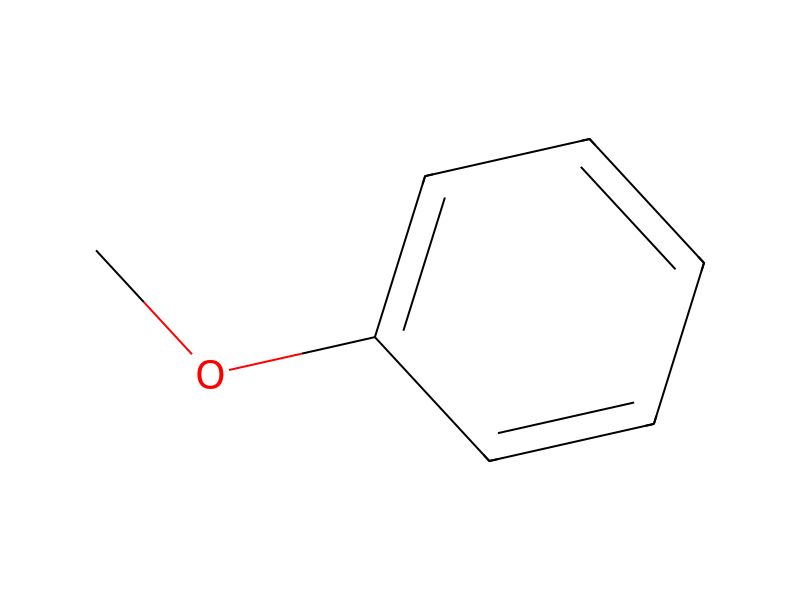
Anisole → Methanone, (2-chlorophenyl)phenyl-
Reaction equation

[Cl:1][C:2]1[CH:10]=[CH:9][C:8]([N+]([O-])=O)=[CH:7][C:3]=1[C:4](Cl)=[O:5].[C:14]1(OC)[CH:19]=[CH:18][CH:17]=[CH:16][CH:15]=1.[Cl-].[Cl-].[Cl-].[Al+3]>>[Cl:1][C:2]1[CH:10]=[CH:9][CH:8]=[CH:7][C:3]=1[C:4]([C:14]1[CH:19]=[CH:18][CH:17]=[CH:16][CH:15]=1)=[O:5]Participants



Procedure
Compound 29 was prepared by reacting 2-chloro-5-nitrobenzoic acid chloride with anisole in the presence of aluminum trichloride to produce a chlorobenzophenone compound; the chlorobenzophenone compound was reduced in the presence of trifluoromethanesulfonic acid and triethylsilane to produce a chlorodiphenylmethane compound; the chlorodiphenylmethane compound was treated with lithium sulfide and 2,2-dibutyl-3-(methanesulfonato)propanal to produce 1-(2,2-dibutyl-3-oxopropylthio)-2-((4-methoxyphenyl)methyl)-4-dimethylaminobenzene (40); and 40 was oxidized with m-chloroperbenzoic acid to produce 29. The first step of that method of preparing compound 29 requires the use of a corrosive and reactive carboxylic acid chloride that was prepared by the reaction of the corresponding carboxylic acid with phosphorus pentachloride. Phosphorus pentachloride readily hydrolyzes to produce volatile and hazardous hydrogen chloride. The reaction of 2,2-dibutyl-3-(methanesulfonato)propanal with the lithium sulfide and the chlorodiphenylmethane compound required the intermediacy of a cyclic tin compound to make the of 2,2-dibutyl-3-(methanesulfonato)propanal. The tin compound is expensive and creates a toxic waste stream.
Sources & evidence
- ORD record
- ord-64b1650d9204443482d707d286223bc3
- Source dataset
- uspto-grants-2003_07
- Patent number
- US06586434B2
Reaction notes
Loading…