Ethanol → Ethyl 2-(4-amino-3-hydroxyphenyl)acetate
Reaction equation

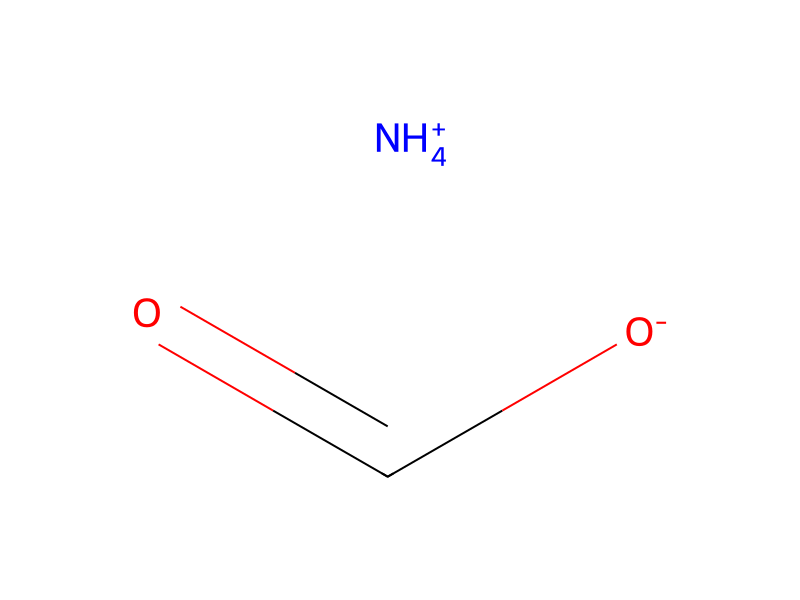
C1(C)C=CC=CC=1NC1[O:9][C:10]2[CH:16]=[C:15]([CH2:17][CH2:18]C(NC3C=CC([C@H](C)CC(O)=O)=CC=3)=O)[CH:14]=[CH:13][C:11]=2[N:12]=1.C([O-])=[O:36].[NH4+].[CH2:39]([OH:41])[CH3:40]>[Pd]>[NH2:12][C:11]1[CH:13]=[CH:14][C:15]([CH2:17][C:18]([O:41][CH2:39][CH3:40])=[O:36])=[CH:16][C:10]=1[OH:9]Participants
5
Reactant 3


Product 1

Reagents, catalysts & solvents 1

Conditions
- Temperature
- 50 °C
Procedure
A solution of ethyl 3-hydroxy4-nitrophenylacetate (5.0 g, Reference Example 6) was dissolved in ethanol (approximately 200 mL) was treated with ammonium formate (approximately 20 g). The mixture was warmed to 50° C. and then treated cautiously with palladium on charcoal (approximately 1 g, 5%)—effervescence was observed. After 30 minutes the mixture was filtered hot through a pad of filter-aid and the filtrate was concentrated to give the title compound (3.3 g) as a black solid.
Workup
- filtrationAfter 30 minutes the mixture was filtered hot through a pad
- filtrationof filter-aid
- concentrationthe filtrate was concentrated
Sources & evidence
- ORD record
- ord-de3899decf9244938581d3f401b34dbf
- Source dataset
- uspto-grants-2003_07
- Patent number
- US06593354B2
Reaction notes
Loading…