Diethyl Ether → HCID 22475286, compound
Reaction equation

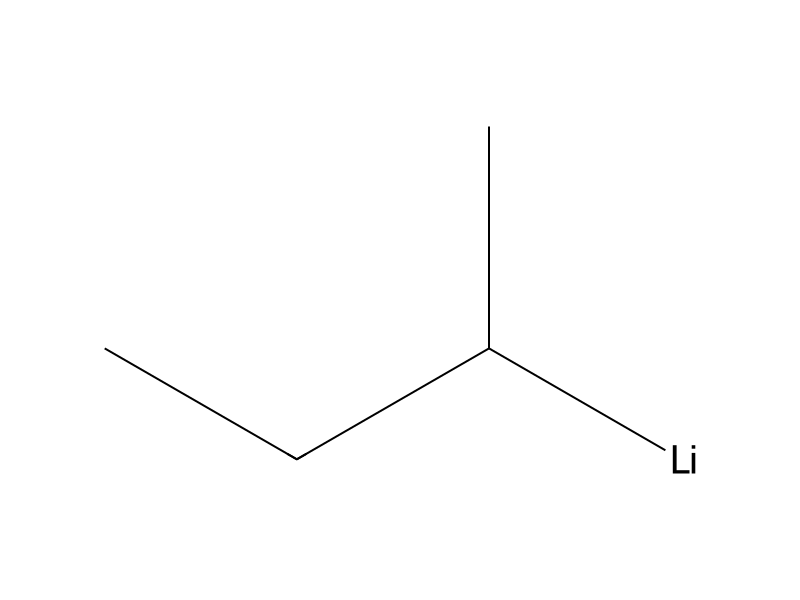
[NH:1]1[CH:6]=C[CH2:4][CH2:3][CH2:2]1.[CH2:7]1[CH2:11]O[CH2:9][CH2:8]1.[Li][CH:13]([CH2:15][CH3:16])[CH3:14].ClC[C:19]1[C:20]([CH2:25]Cl)=[CH:21][CH:22]=[CH:23][CH:24]=1.[CH2:27]([O:29][CH2:30][CH3:31])C>CCO>[CH3:27][O:29][C:30]1[CH:31]=[C:14]([C:7]23[CH2:11][C:21]4[CH:22]=[CH:23][CH:24]=[CH:19][C:20]=4[CH2:25][C:3]2([CH3:4])[CH2:2][N:1]([CH3:6])[CH2:9][CH2:8]3)[CH:13]=[CH:15][CH:16]=1Participants
Reactant 5




Product 1

Reagents, catalysts & solvents 1

Conditions
- Temperature
- -78 °C
Procedure
To a dry three-neck round-bottomed flask was charged 500 mg (2.3 mmol) of tetrahydropyridine (9) (CAUTION: read reference 12 and references cited therein) and 20 mL dry THF. This was cooled to −78° C., and to this was added 2.4 mL (3.12 mmol) s-BuLi (1.3M in cyclohexane) via a syringe over 5 min. The flask was then warmed to −0° C. and aged for 10 min. The flask was then cooled to −78° C. and cannulated into a mixture of 40 ml dry ethyl ether and 1.3 g (7.59 mmol) α,α′-dichloroxylene at −50° C. over 20 min. This was aged for 20 min and then quenched with ice-cold 1N HCl. The contents of the flask were then transferred to a separatory funnel with ice-cold ether-and ice-cold 1N HCl. The aqueous layer was removed and stored in an ice bath while the organic layer was twice extracted with ice-cold 1N HCl. The combined aqueous layers were placed into a new separatory funnel and extracted twice with ice-cold ethyl ether to remove α,α′-diochloroxylene. The aqueous layer was then made basic with 50% NaOH at first and finally saturated NaHCO3 to pH 10. The aqueous layer was then extracted 3 times with ice-cold ethyl ether and then discarded. The ether extracts were dried over K2CO3 and then to filtered into a round-bottom flask and the solvent removed on the rotavap at 0° C. After all of the solvent was removed, the residue was dissolved in 40 mL sieve dried CH3CN, and to this was added 870 mg NaI and 650 mg K2CO3. The flask was then attached to a reflux condenser and a heating mantle and the system heated under reflux for 3 h. After this time, the flask was cooled to room temperature and filtered. The solvent was then removed on a rotavap and the residue dissolved in 40 mL punctilious ethanol. To this mixture was added 750 mg NaBH4 in one portion and the mixture allowed to stir overnight. On the following day, 1N HCl was added to this mixture until no further evolution of hydrogen was observed. This was stirred for 10 min, and then 50% NaOH and water were added until the mixture was clear and basic. The volatiles were then removed on a rotavap, and the residue was extracted 3 times with 1:1 ethyl ether:ethyl acetate. This was dried over K2CO3 and Na2SO4. After filtration and solvent removal, a small portion of the crude residue was dissolved in CHCl3 and spotted on a silica gel plate. Elution with 50% CMA-80 (80 CHCl3:18 MeOH: 2 NH4OH) in CHCl3 revealed a compound in the mixture that gave a pale spot when dipped in 5% PMA in EtOH at about 0.75 Rf. This is the tertiary amine product. No other tertiary amines were observed in the mixture. 1H NMR of the crude mixture revealed the desired product as well as starting material (9) and other undesired products. Chromatography on silica gel using 12.5% CMA-80 in CHCl3 gave the desired product in the early fractions just behind the solvent front but not in the solvent front. This gave 115 mg of the desired product as a slightly yellow oil. Yield 15.5%.
Workup
- temperatureThe flask was then warmed to −0° C. and aged for 10 min
- temperatureThe flask was then cooled to −78° C.
- customquenched with ice-cold 1N HCl
- customThe contents of the flask were then transferred to a separatory funnel with ice-cold ether-and ice-cold 1N HCl
- customThe aqueous layer was removed
- customstored in an ice bath while the organic layer
- extractionwas twice extracted with ice-cold 1N HCl
- customThe combined aqueous layers were placed into a new separatory funnel
- extractionextracted twice with ice-cold ethyl ether
- customto remove α,α′-diochloroxylene
- extractionThe aqueous layer was then extracted 3 times with ice-cold ethyl ether
- dry with materialThe ether extracts were dried over K2CO3
- filtrationto filtered into a round-bottom flask
- customthe solvent removed on the rotavap at 0° C
- customAfter all of the solvent was removed
- dissolutionthe residue was dissolved in 40 mL sieve dried CH3CN
- additionto this was added 870 mg NaI and 650 mg K2CO3
- customThe flask was then attached to a reflux condenser
- temperaturea heating mantle and the system heated
- temperatureunder reflux for 3 h
- temperatureAfter this time, the flask was cooled to room temperature
- filtrationfiltered
- customThe solvent was then removed on a rotavap
- dissolutionthe residue dissolved in 40 mL punctilious ethanol
- additionTo this mixture was added 750 mg NaBH4 in one portion
- additionOn the following day, 1N HCl was added to this mixture until no further evolution of hydrogen
- stirringThis was stirred for 10 min
- addition50% NaOH and water were added until the mixture
- customThe volatiles were then removed on a rotavap
- extractionthe residue was extracted 3 times with 1:1 ethyl ether
- dry with materialThis was dried over K2CO3 and Na2SO4
- filtrationAfter filtration and solvent removal
- dissolutiona small portion of the crude residue was dissolved in CHCl3
- washElution with 50%
- customgave a pale spot when
Sources & evidence
- ORD record
- ord-c6f9c982ddb94df1be142bfe2fa346d7
- Source dataset
- uspto-grants-2003_07
- Patent number
- US06593348B2
Reaction notes
Loading…