Ammonium Hydroxide → HCID 18183529, compound
Reaction equation

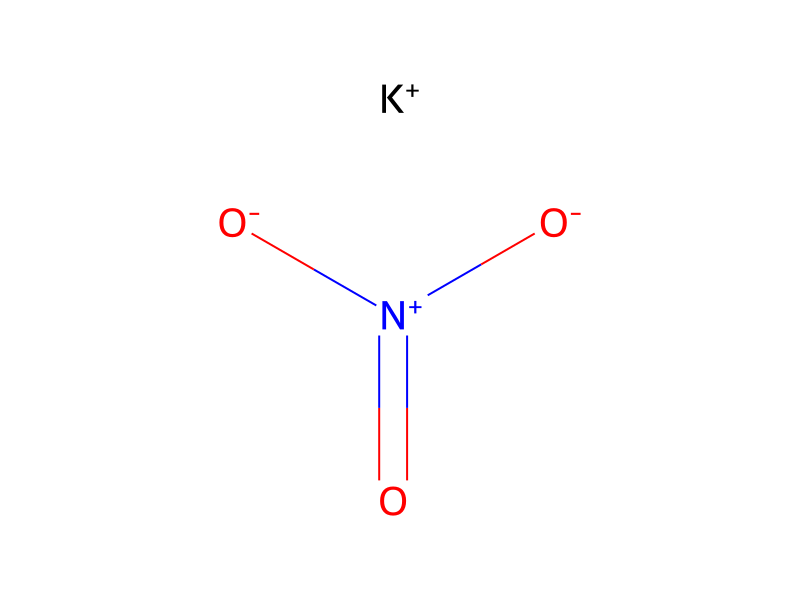
[N+:1]([O-:4])([O-])=[O:2].[K+].[Br:6][C:7]1[CH:16]=[CH:15][CH:14]=[C:13]2[C:8]=1[CH:9]=[CH:10][N:11]=[CH:12]2.[OH-].[NH4+]>OS(O)(=O)=O>[Br:6][C:7]1[CH:16]=[CH:15][CH:14]=[C:13]2[C:8]=1[CH:9]=[C:10]([N+:1]([O-:4])=[O:2])[N:11]=[CH:12]2Participants
5
Reactant 3


Product 1

Reagents, catalysts & solvents 1

Procedure
A solution of potassium nitrate (1.78 g, 8.56 mmol) was added slowly to a solution of 5-bromoisoquinoline in 12 mL H2SO4. After stirring for 3 hours the reaction mixture was poured onto ice and neutralised with conc. ammonium hydroxide. The yellow precipitate was extracted with ethyl acetate (3x), and the combined organic layers were washed with saturated NaCl, dried over MgSO4, filtered and concentrated. The residue was chromatographed on silica gel (40% ethyl acetate in hexane as eluent) to give 5-bromo-3-nitroisoquinoline in 96% yield.
Workup
- extractionThe yellow precipitate was extracted with ethyl acetate (3x)
- washthe combined organic layers were washed with saturated NaCl
- dry with materialdried over MgSO4
- filtrationfiltered
- concentrationconcentrated
- customThe residue was chromatographed on silica gel (40% ethyl acetate in hexane as eluent)
Sources & evidence
- ORD record
- ord-6cb14785236840dd8b8cd14ac10d6e69
- Source dataset
- uspto-grants-2003_07
- Patent number
- USRE038200E1
Reaction notes
Loading…