Hydrochloric Acid → Iodixanol Impurity 25
Reaction equation

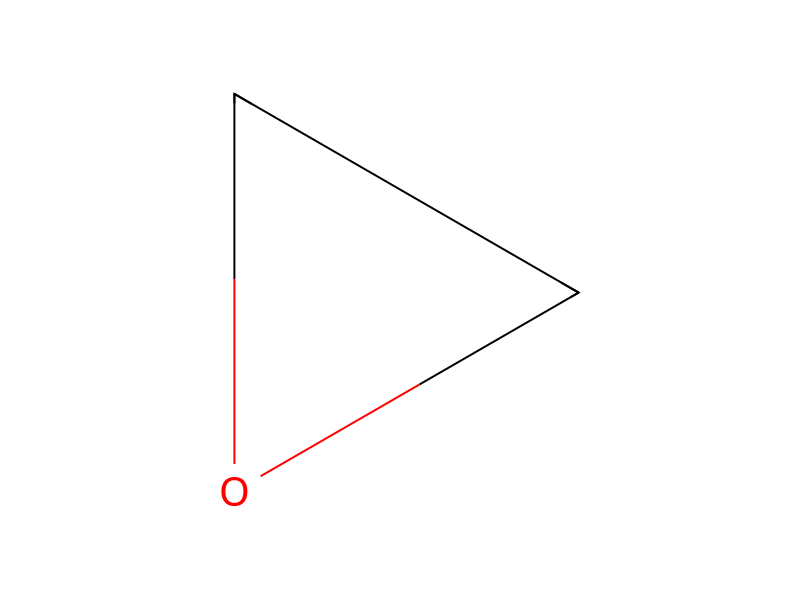
[OH:1][CH:2]([CH2:29][OH:30])[CH2:3][NH:4][C:5](=[O:28])[C:6]1[C:19]([I:20])=[C:18]([NH:21][C:22](=[O:25])[CH2:23][Cl:24])[C:17]([I:26])=[C:8]([C:9]([NH:11][CH2:12][CH:13]([OH:16])[CH2:14][OH:15])=[O:10])[C:7]=1[I:27].[CH2:31]1[O:33][CH2:32]1.Cl>O>[OH:1][CH:2]([CH2:29][OH:30])[CH2:3][NH:4][C:5](=[O:28])[C:6]1[C:19]([I:20])=[C:18]([N:21]([CH2:31][CH2:32][OH:33])[C:22](=[O:25])[CH2:23][Cl:24])[C:17]([I:26])=[C:8]([C:9]([NH:11][CH2:12][CH:13]([OH:16])[CH2:14][OH:15])=[O:10])[C:7]=1[I:27]Participants
Reactant 3


Product 1

Reagents, catalysts & solvents 1

Procedure
The general procedure for the process of the invention involves reacting 5-amino-N,N′-bis(2,3-dihydroxypropyl)-2,4,6-triiodoisophthalamide with N,N-dimethylacetamide and chloroacetyl chloride. The resulting product is hydrolyzed with a base (such as sodium hydroxide). A homogeneous solution is obtained by adding water. Precipitation is affected to yield N,N′-bis(2,3-dihydroxypropyl)-5-(2-chloroacetamido)-2,4,6-triiodoisophthalamide. Alternately, 5-amino-N,N′-bis(2,3-dihydroxypropyl)-2,4,6-triiodoisophthalamide is reacted with N,N-dimethylacetamide, acetonitrile, and chloroacetyl chloride. The resulting product is hydrolyzed with a base. A homogeneous solution is obtained by adding water. Precipitation is affected to yield N,N′-bis(2,3-dihydroxypropyl)-5-(2-chloroacetamido)-2,4,6-triiodoisophthalamide. This product is combined with an aqueous base and deionized water. 2-Chloroethanol is added followed by heating. The addition of hydrochloric acid yields N,N′-bis(2,3-dihydroxypropyl)-5-[N-(2-hydroxyethyl)(2-chloroacetamido)]-2,4,6-triiodoisophthalamide. Alternately, N,N′-bis(2,3-dihydroxypropyl)-5-(2-chloroacetamido)-2,4,6-triiodoisophthalamide plus metal halide and deionized water are combined. Ethylene oxide is added followed by heating. The addition of hydrochloric acid yields N,N′-bis(2,3-dihydroxypropyl)-5-[N-(2-hydroxyethyl)(2-chloroacetamido)]-2,4,6-triiodoisophthalamide. This product is suspended in water with acetate ions and hydrochloric acid added. This suspended solution can take place at or above atmospheric pressure. Generally about 1 to about 2 atmospheres above atmospheric pressure is used. After adding aqueous sodium hydroxide to, maintain the pH, the reaction yields N,N′-bis(2,3-dihydroxypropyl)-5-N-(2-hydroxyethyl)glycolamido-2,4,6-triiodoisopthalamide. Finally, salts and low molecular weight impurities are removed.
Workup
- temperatureby heating
Sources & evidence
- ORD record
- ord-09bb0308a96f4d78ac9dd38bf508dd2c
- Source dataset
- uspto-grants-2003_07
- Patent number
- US06596904B1
Reaction notes
Loading…