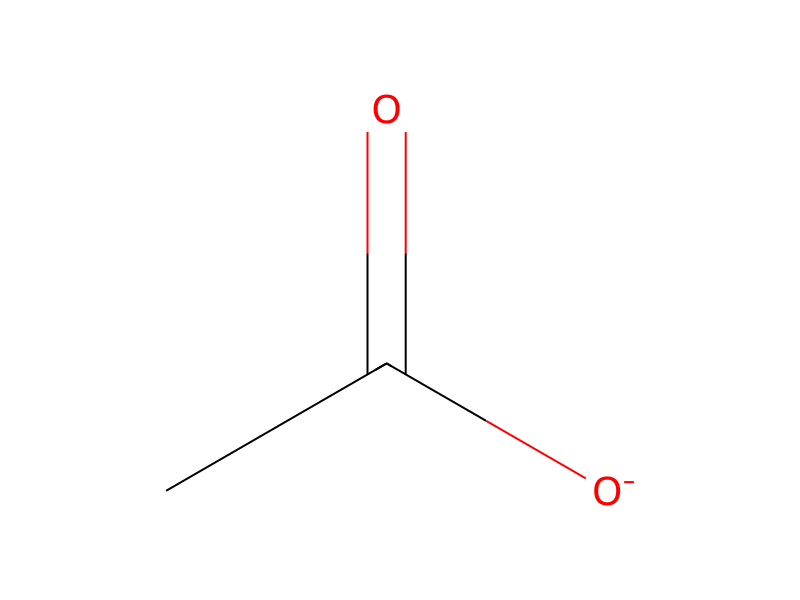
Acetate → HCID 21076045, compound
Reaction equation

Cl.[CH2:2]([C:5]1[CH:10]=[CH:9][N:8]=[C:7]([C:11]([OH:13])=[O:12])[CH:6]=1)[CH2:3][CH3:4].[H][H].C([O-])(=O)C>C(O)(=O)C.[Pt](=O)=O>[CH2:2]([CH:5]1[CH2:10][CH2:9][NH:8][CH:7]([C:11]([OH:13])=[O:12])[CH2:6]1)[CH2:3][CH3:4]Participants
6
Reactant 3


Product 1

Reagents, catalysts & solvents 2


Procedure
Platinum(IV) oxide (79.8 mg, 0.35 mmol) was added to a solution of 1.05 g (5.22 mmol) of 4-propylpyridine-2-carboxylic acid hydrochloride synthetized according to a literature (J. Med. Chem. 1984, 27, 216.) in acetic acid (8 ml), and the mixture was stirred in a hydrogen atmosphere under the atmospheric pressure overnight. The reaction solution was filtered through Celite, and the solvent was then removed by distillation to give 9.90 g (yield 90%) of the title compound as acetate.
Workup
- filtrationThe reaction solution was filtered through Celite
- customthe solvent was then removed by distillation
Sources & evidence
- ORD record
- ord-8dccff2a4b8947dcb25840c39b28ead7
- Source dataset
- uspto-grants-2011_02
- Patent number
- US07879808B2
Reaction notes
Loading…