Ammonia → 6-Bromo-8-fluoroquinoline
Reaction equation

S(=O)(=O)(O)O.[N+]([C:9]1[CH:10]=C(S([O-])(=O)=O)C=C[CH:14]=1)([O-])=O.[Na+].[Br:20][C:21]1[CH:27]=[CH:26][C:24]([NH2:25])=[C:23]([F:28])[CH:22]=1.N>O.OCC(CO)O>[Br:20][C:21]1[CH:27]=[C:26]2[C:24](=[C:23]([F:28])[CH:22]=1)[N:25]=[CH:10][CH:9]=[CH:14]2Participants
Reactant 4




Product 1

Reagents, catalysts & solvents 2
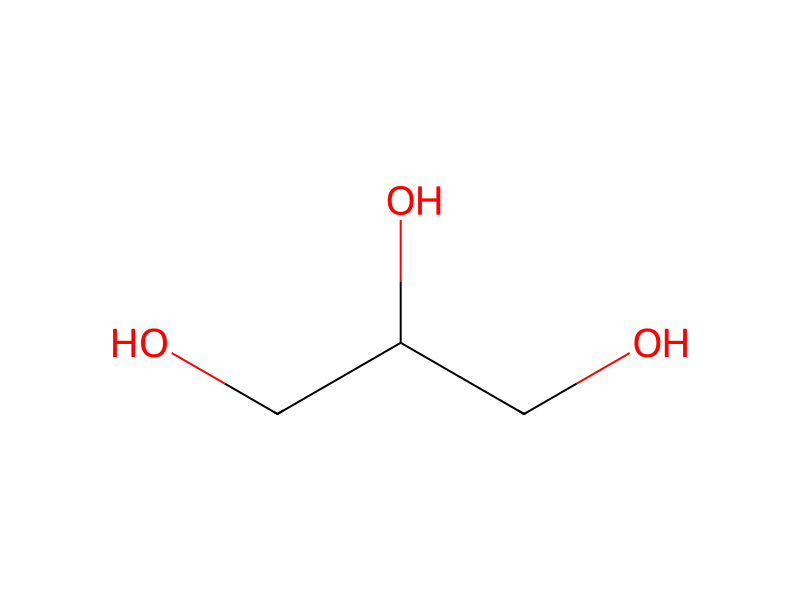

Conditions
- Temperature
- 85 °C
Procedure
A solution of concentrated sulphuric acid (63 ml, 820 mmol) in water (49.4 ml) was treated with sodium 3-nitro-benzenesulfonate (commercially available, for example, from Aldrich) (47.9 g, 213 mmol) and glycerol (commercially available, for example, from Fluka and/or Aldrich) (52 ml, 720 mmol) to give a thick grey suspension. This was heated to 110° C. (internal temperature was 85° C.). 4-Bromo-2-fluoroaniline (commercially available, for example, from Fluorochem and/or Aldrich) (38 g, 200 mmol) was added over 10 min in portions, during which the internal temperature rose to 95° C. The reaction was heated to 140° C. (internal temperature was 133° C.) and stirred overnight. The reaction mixture was cooled and then poured into water (1000 ml) and basified to pH 7 with aqueous ammonia (0.88 s.g, approximately 190 ml). The brown precipitate that formed was collected by filtration and partially dried. This solid (63 g) was loaded onto a column of silica (1500 ml) and eluted with EtOAc to give the title compound as a light brown solid (43.8 g, 97%). LCMS RT=2.87 min, ES+ve m/z 226/228 [M+H]+.
Workup
- customwas added over 10 min in portions, during which
- customrose to 95° C
- temperatureThe reaction was heated to 140° C. (internal temperature was 133° C.)
- temperatureThe reaction mixture was cooled
- customThe brown precipitate that formed
- filtrationwas collected by filtration
- custompartially dried
- washeluted with EtOAc
Sources & evidence
- ORD record
- ord-ed59029f80334d90aa20cf64a197c30d
- Source dataset
- uspto-grants-2011_02
- Patent number
- US07884114B2
Reaction notes
Loading…