Trimethyltin chloride → HCID 86007195, compound
Reaction equation

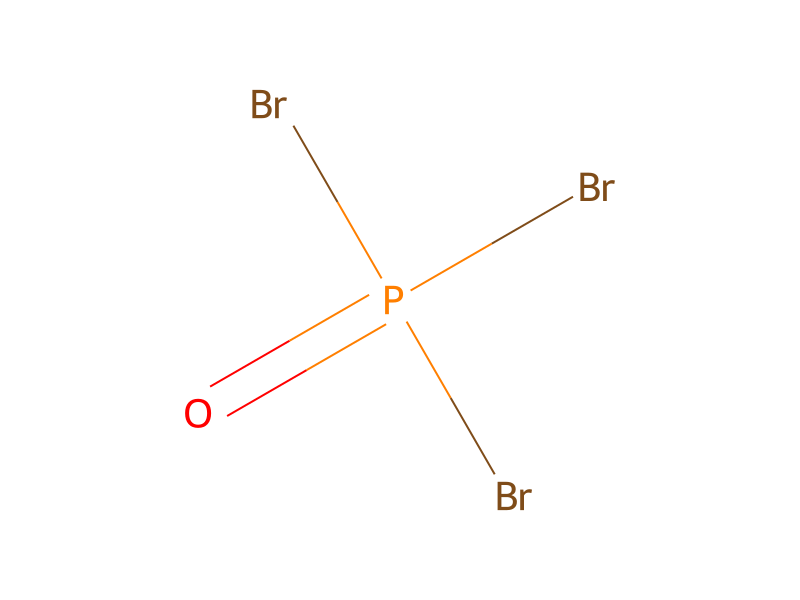
Br[C:2]1[C:3]2[C:8]([N:9]=[C:10]3[C:15]=1[CH:14]=[CH:13][C:12]([C:16]1[CH:21]=[C:20]([CH3:22])[CH:19]=[C:18]([CH3:23])[CH:17]=1)=[CH:11]3)=[CH:7][CH:6]=[CH:5][CH:4]=2.P(Br)(Br)(Br)=O.BrC1C2C(N=C3C=1C(C1C=C(C)C=C(C)C=1)=CC=C3)=CC=CC=2.[CH3:52][Sn:53](Cl)([CH3:55])[CH3:54]>>[CH3:23][C:18]1[CH:17]=[C:16]([C:12]2[CH:13]=[CH:14][C:15]3[C:10]([CH:11]=2)=[N:9][C:8]2[C:3](=[CH:4][CH:5]=[CH:6][CH:7]=2)[C:2]=3[Sn:53]([CH3:55])([CH3:54])[CH3:52])[CH:21]=[C:20]([CH3:22])[CH:19]=1Participants



Procedure
Suzuki coupling of commercially available 3-bromoaniline, 25, and 3,5-dimethylboronic acid afforded 3-(3,5-dimethylphenyl)aniline, 26, in high yields. Treatment of 26 with 2-chlorobenzoic acid, 27, gave N-3-(3,5-dimethylphenyl)anthranilic acid, 28, which was converted to 9-bromo-3-(3,5-dimethylphenyl)acridine, 29, using phosphorous oxybromide. As expected, we observed that 9-bromo-1-(3,5-dimethylphenyl)acridine was formed as a major by-product during ring construction. Lithiation of 29 at −78° C. followed by stannylation with trimethylstannyl chloride resulted in the formation of 3-(3,5-dimethylphenyl)-9-trimethylstannylacridine, 30, in high yields. Employing stannane 30 and 1,8-dibromonaphthalene, 31, in a CuO-promoted Stille coupling previously developed in our laboratories yielded 1,8-bis(3,3′-(3,5-dimethylphenyl)-9,9′-diacridyl)naphthalene, 32. Oxidation of 32 using m-chloroperoxybenzoic acid gave 1,8-bis(3,3′-(3,5-dimethylphenyl)-9,9′-diacridyl)naphthalene N,N′-dioxide, 33.
Workup
- customwas formed as a major by-product during ring construction
- customat −78° C.
Sources & evidence
- ORD record
- ord-6b3075189c074c28b8f6eeb8c6e8ffb9
- Source dataset
- uspto-grants-2011_02
- Patent number
- US07888509B2
Reaction notes
Loading…