Acetone → HCID 14771965, compound
Reaction equation

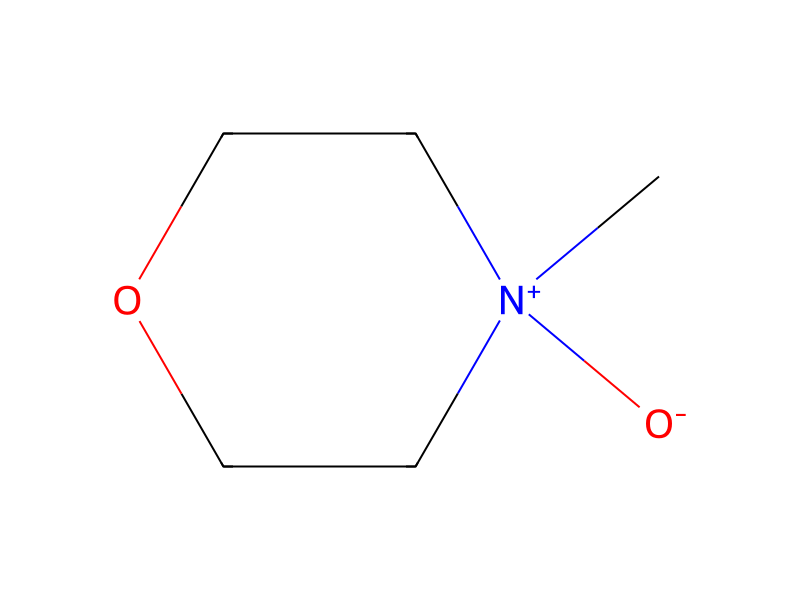
[N:1]1([C:6]([O:8][CH2:9][C:10]2[CH:15]=[CH:14][CH:13]=[CH:12][CH:11]=2)=[O:7])CC=C[CH2:2]1.C[N+]1([O-])CC[O:20]CC1.[CH3:24][C:25]([CH3:27])=[O:26]>O.O=[Os](=O)(=O)=O>[OH:26][C@H:25]1[C@@H:27]([OH:20])[CH2:2][N:1]([C:6]([O:8][CH2:9][C:10]2[CH:15]=[CH:14][CH:13]=[CH:12][CH:11]=2)=[O:7])[CH2:24]1Participants
6
Reactant 3


Product 1

Reagents, catalysts & solvents 2


Procedure
Phenylmethyl 2,5-dihydro-1H-pyrrole-1-carboxylate (commercially-available) (5.07 g, 25 mmol) was dissolved in a mixture of acetone (25 mL) and water (10 mL). NMO (5.9 g, 50 mmol) was added followed by catalytic OsO4. The reaction was stirred for 19 hours and then quenched by the addition of an aqueous solution of Na2S2O3. A standard work-up followed by silica gel chromatography (3:1 Hexane:ethyl acetate to pure ethyl acetate to 9:1 DCM: MeOH) yielded phenylmethyl (cis)-3,4-dihydroxy-1-pyrrolidinecarboxylate (0.872 g, 15%) as a clear oil. LCMS: (M+H)+: 237.9.
Workup
- customquenched by the addition of an aqueous solution of Na2S2O3
Sources & evidence
- ORD record
- ord-4bb5283d5ace4ef5a4f177bf3e933c4c
- Source dataset
- uspto-grants-2011_02
- Patent number
- US07893056B2
Reaction notes
Loading…