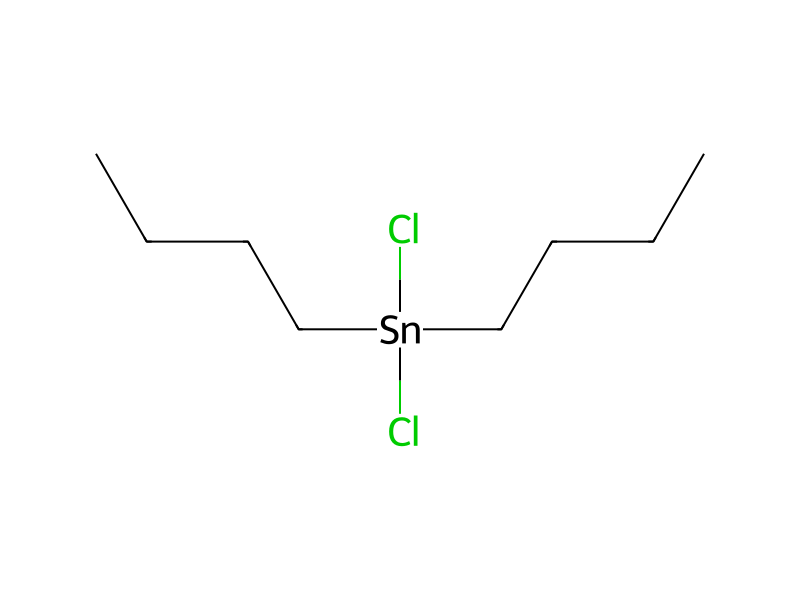
Dibutyltin dichloride → HCID 59593301, compound
Reaction equation

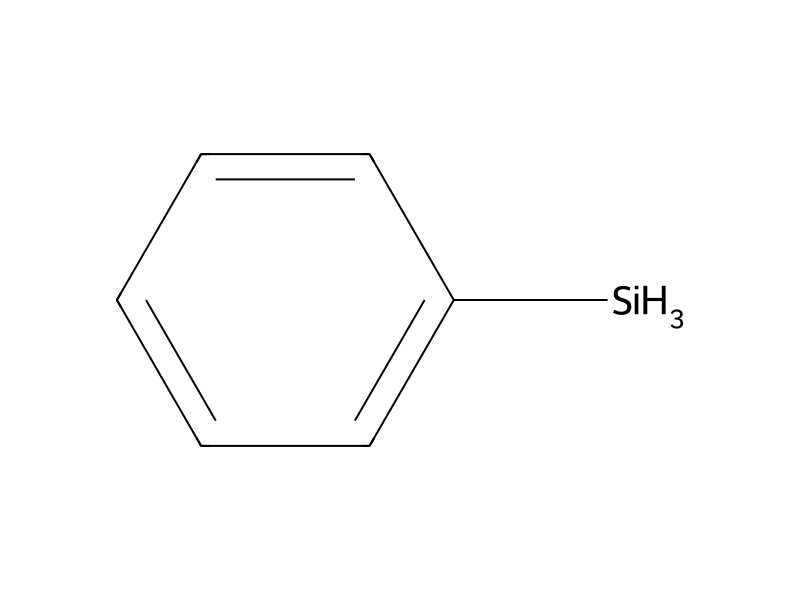
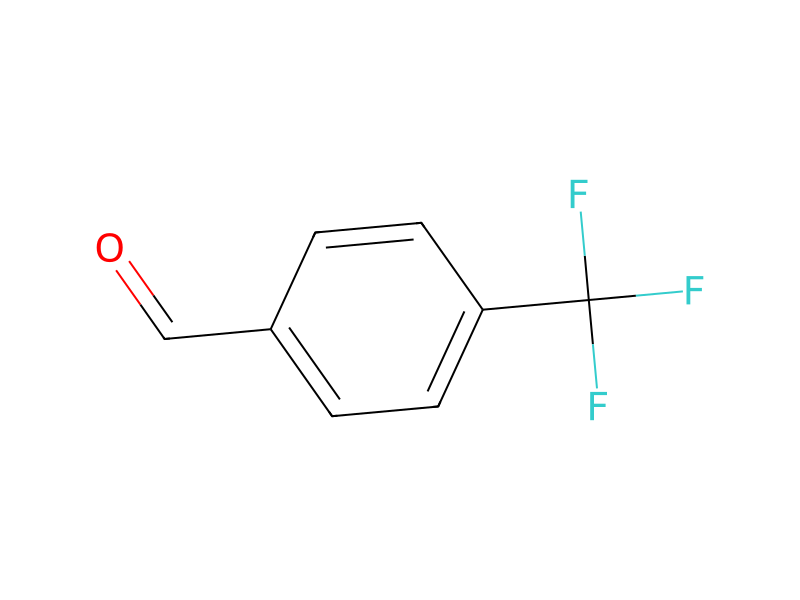
[F:1][C:2]([F:12])([F:11])[C:3]1[CH:10]=[CH:9][C:6]([CH:7]=O)=[CH:5][CH:4]=1.[NH2:13][C:14]1[CH:19]=[CH:18][C:17]([Br:20])=[C:16]([CH3:21])[N:15]=1.C([Sn](Cl)(Cl)CCCC)CCC.C1([SiH3])C=CC=CC=1>O1CCCC1>[Br:20][C:17]1[CH:18]=[CH:19][C:14]([NH:13][CH2:7][C:6]2[CH:9]=[CH:10][C:3]([C:2]([F:12])([F:11])[F:1])=[CH:4][CH:5]=2)=[N:15][C:16]=1[CH3:21]Participants
6



Conditions
- Temperature
- 25 °C
Procedure
To a solution of p-trifluoromethylbenzaldehyde (16, 1.00 g, 5.74 mmol) in tetrahydrofuran (9 mL) was added 2-amino-5-bromo-6-methylpyridine (33, 1.08 g, 5.77 mmol), followed by dibutyltin dichloride (40 mg, 0.13 mmol). The mixture was stirred for 5 minutes at 25° C and phenylsilane (0.69 g, 6.4 mmol) was added. The reaction was heated at 50° C. overnight, then the solvent was removed at reduced pressure. Ethyl acetate was added to the resulting solid which was washed with saturated sodium carbonate, dried over magnesium sulfate and filtered. Concentration under reduced pressure afforded a light yellow solid (34, 1.7 g, 4.93 mmol). MS(ESI) [M+H+]+=345.1.
Workup
- temperatureThe reaction was heated at 50° C. overnight
- customthe solvent was removed at reduced pressure
- additionEthyl acetate was added to the resulting solid which
- washwas washed with saturated sodium carbonate
- dry with materialdried over magnesium sulfate
- filtrationfiltered
- concentrationConcentration under reduced pressure
- customafforded a light yellow solid (34, 1.7 g, 4.93 mmol)
Sources & evidence
- ORD record
- ord-708fba5903684c6cb8ffa0a72464901a
- Source dataset
- uspto-grants-2011_02
- Patent number
- US07893075B2
Reaction notes
Loading…