Carbon Dioxide → 8-Benzyl-8-azabicyclo(3.2.1)octan-3-one
Reaction equation

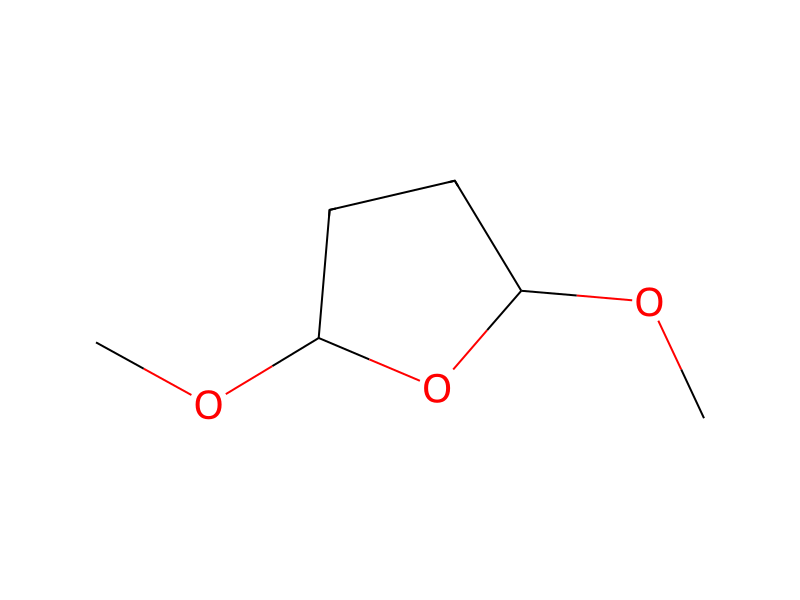
CO[CH:3]1[CH2:7][CH2:6][CH:5](OC)[O:4]1.[CH2:10]([NH2:17])[C:11]1[CH:16]=[CH:15][CH:14]=[CH:13][CH:12]=1.Cl.[CH2:19]([C:26](O)=O)[C:20](CC(O)=O)=O.C([O-])(=O)C.[Na+].C(=O)=O>Cl.O>[CH2:10]([N:17]1[CH:6]2[CH2:5][CH2:26][CH:19]1[CH2:20][C:3](=[O:4])[CH2:7]2)[C:11]1[CH:16]=[CH:15][CH:14]=[CH:13][CH:12]=1Participants
9
Reactant 6





Product 1

Reagents, catalysts & solvents 2

Procedure
Three drops of 5M hydrochloric acid was added to a stirred mixture of 2,5-dimethoxytetrahydrofuran (16.5 g) and water (70 ml). After 10 minutes a mixture of benzylamine (13.6 ml) and 5M hydrochloric acid (30 ml) were added followed by the immediate addition of a mixture of 1,3-acetonedicarboxylic acid (18.2 g) and sodium acetate (10 g) in water (100 ml). After stirring at room temperature for 3 days, during which carbon dioxide was evolved, the mixture was basified to pH8 and extracted with ethyl acetate (×3). The combined extracts were dried (MgSO4) and evaporated under reduced pressure. Chromatography [SiO2; hexane:ethyl acetate] to give 8-benzyl-8-azabicyclo[3.2.1]octan-3-one (11.2 g).
Workup
- additionwere added
- extractionextracted with ethyl acetate (×3)
- dry with materialThe combined extracts were dried (MgSO4)
- customevaporated under reduced pressure
Sources & evidence
- ORD record
- ord-63086e6cc1894f0bb4fff7f0e9e827b7
- Source dataset
- uspto-grants-2003_06
- Patent number
- US06573275B1
Reaction notes
Loading…