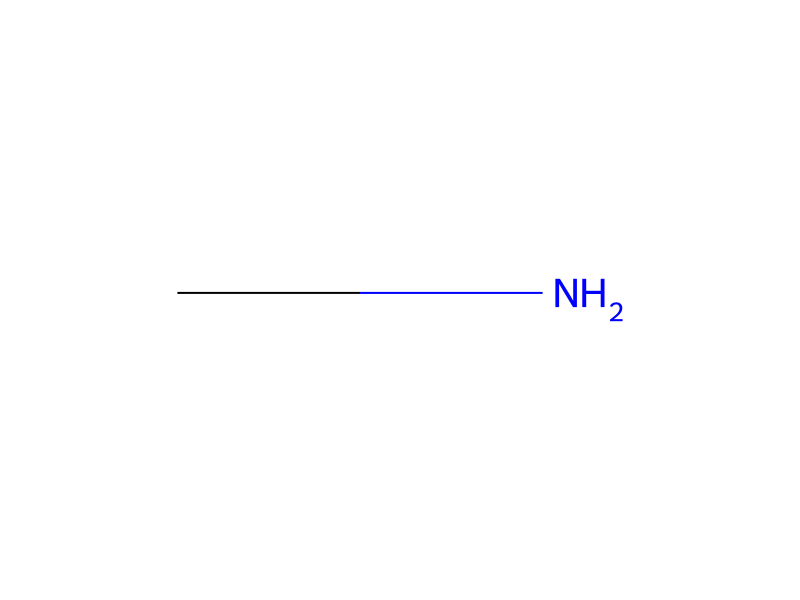
Methylamine → N-(tetrahydro-3,3-diphenyl-2-furylidene)methylamine hydrobromide
Reaction equation

[CH3:1][NH2:2].C([O-])([O-])=O.[Na+].[Na+].[Br:9][CH2:10][CH2:11][C:12]([C:22]1[CH:27]=[CH:26][CH:25]=[CH:24][CH:23]=1)([C:16]1[CH:21]=[CH:20][CH:19]=[CH:18][CH:17]=1)[C:13](Cl)=[O:14]>O.C1(C)C=CC=CC=1>[BrH:9].[C:16]1([C:12]2([C:22]3[CH:27]=[CH:26][CH:25]=[CH:24][CH:23]=3)[CH2:11][CH2:10][O:14][C:13]2=[CH:1][NH2:2])[CH:21]=[CH:20][CH:19]=[CH:18][CH:17]=1Participants
6





Procedure
To a mixture of 35% aqueous methylamine (100 g, 1.13 mol) and Na2CO3 (106 g, 1 mol) in H2O (1000 ml) and toluene (800 ml) was added dropwise 4-bromo-2,2-diphenylbutyroyl chloride (337.5 g, 1.13 mol) in toluene (200 ml), while the temperature was maintained between 0 and 15° C. The mixture was allowed to warm to room temperature and the precipitate was collected by filtration. The solid precipitate was then taken up into CHCl3the solution was dried (MgSO4), and the solvent was removed in vacuo. The residue was crystallized from i-BuCOMe (isobutylmethylketone) to afford pure N-(tetrahydro-3,3-diphenyl-2-furylidene)methylamine hydrobromide (223 g, 67%), mp 159-161° C.
Workup
- temperaturewhile the temperature was maintained between 0 and 15° C
- filtrationthe precipitate was collected by filtration
- dry with materialwas dried (MgSO4)
- customthe solvent was removed in vacuo
- customThe residue was crystallized from i-BuCOMe (isobutylmethylketone)
Sources & evidence
- ORD record
- ord-6e3b46793c6b4919bf566b0e5cec3466
- Source dataset
- uspto-grants-2003_06
- Patent number
- US06573282B1
Reaction notes
Loading…