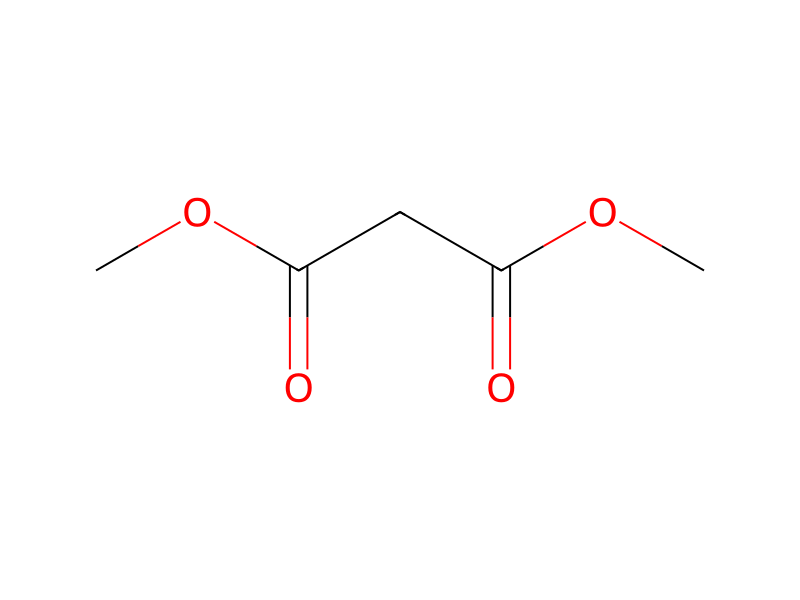
Dimethyl malonate → Dimethyl 2-methoxycarbonyl-6-nitrophenylmalonate
Reaction equation

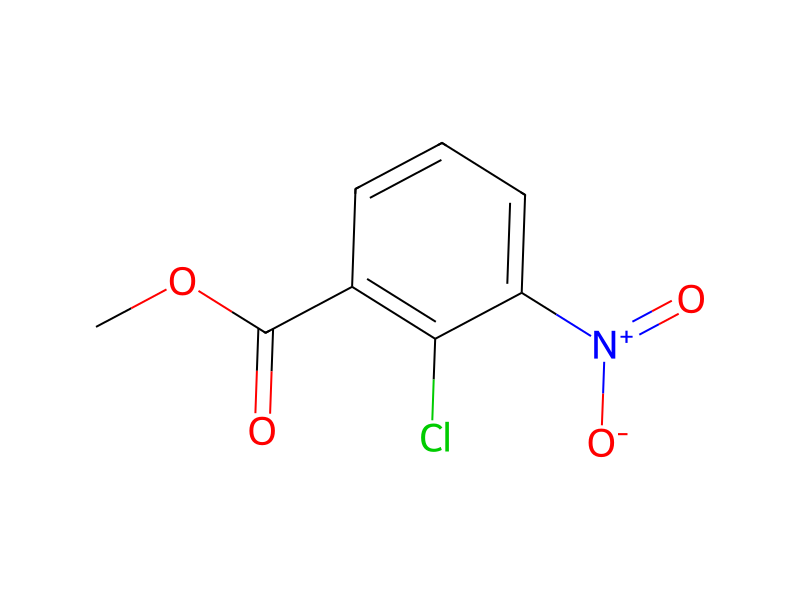
[C:1]([O:8][CH3:9])(=[O:7])[CH2:2][C:3]([O:5][CH3:6])=[O:4].[H-].[Na+].Cl[C:13]1[C:18]([C:19]([O:21][CH3:22])=[O:20])=[CH:17][CH:16]=[CH:15][C:14]=1[N+:23]([O-:25])=[O:24]>CS(C)=O>[CH3:22][O:21][C:19]([C:18]1[CH:17]=[CH:16][CH:15]=[C:14]([N+:23]([O-:25])=[O:24])[C:13]=1[CH:2]([C:1]([O:8][CH3:9])=[O:7])[C:3]([O:5][CH3:6])=[O:4])=[O:20]Participants
5
Reactant 3

Product 1

Reagents, catalysts & solvents 1

Conditions
- Temperature
- 100 °C
Procedure
Dimethyl malonate (6.0 mL) was added to an ice-cold suspension of 2.1 g sodium hydride in 15 mL DMSO. The reaction mixture was stirred at 100° C. for 1 hour and then cooled to room temperature. 2-Chloro-3-methoxycarbonylnitrobenzene (2.15 g) was added in one portion and the mixture was heated to 100° C. for 1.5 hours. The reaction mixture was then cooled to room temperature, poured into ice water, acidified to pH 5 and extracted with ethyl acetate. The organic layer was washed with brine, dried over anhydrous sodium sulfate and concentrated to give 3.0 g of the dimethyl 2-methoxycarbonyl-6-nitrophenyl-malonate.
Workup
- temperaturecooled to room temperature
- temperaturethe mixture was heated to 100° C. for 1.5 hours
- temperatureThe reaction mixture was then cooled to room temperature
- extractionextracted with ethyl acetate
- washThe organic layer was washed with brine
- dry with materialdried over anhydrous sodium sulfate
- concentrationconcentrated
Sources & evidence
- ORD record
- ord-10dd0a7982eb42dfb241a7bcaa716759
- Source dataset
- uspto-grants-2003_06
- Patent number
- US06573293B2
Reaction notes
Loading…