Methyl iodide → 4-chloro-2-methyl-5-(methylsulfonyl)Benzoic acid
Reaction equation

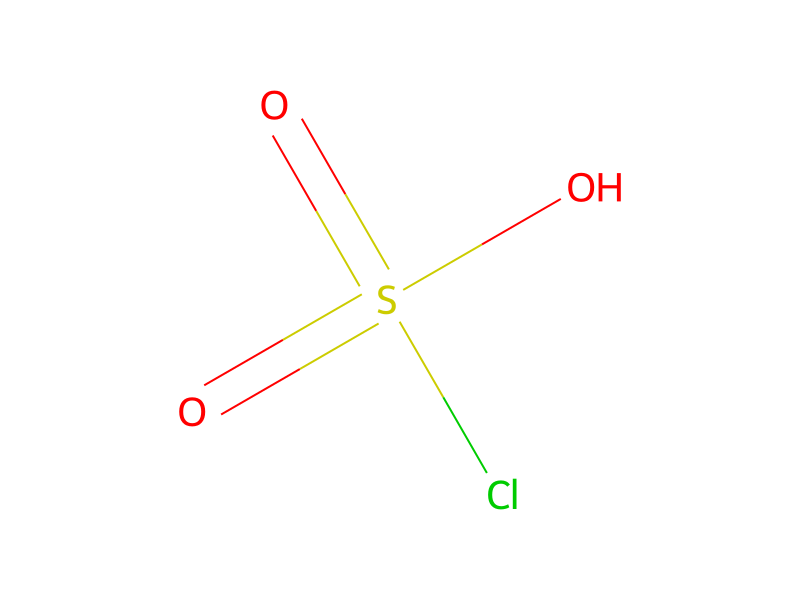
[Cl:1][C:2]1[CH:10]=[CH:9][C:5]([C:6]([OH:8])=[O:7])=[C:4]([CH3:11])[CH:3]=1.Cl[S:13]([OH:16])(=O)=[O:14].S([O-])([O-])=O.[Na+].[Na+].[CH3:23]I>>[CH3:11][C:4]1[CH:3]=[C:2]([Cl:1])[C:10]([S:13]([CH3:23])(=[O:16])=[O:14])=[CH:9][C:5]=1[C:6]([OH:8])=[O:7]Participants
5




Procedure
Accordingly, the invention also provides a process for the preparation of N-diaminomethylene-2-methyl-4,5-di(methylsulfonyl)benzamine, characterized in that in the first stage a) according to the invention 2-bromo-5-chlorotoluene is reacted with a secondary or tertiary organolithium compound, particularly preferably sec-butyllithium, and CO2 to give the first intermediate 4-chloro-2-methylbenzoic acid, in stage b) a methylsulfonyl group is introduced by reacting 4-chloro-2-methylbenzoic acid with chlorosulfonic acid, sodium sulfite and methyl iodide to give the corresponding intermediate 2-methyl-4-chloro-5-methylsulfonylbenzoic acid,
Workup
- additionin stage b) a methylsulfonyl group is introduced
Sources & evidence
- ORD record
- ord-2e39b67b286844e49de78c100a7b1867
- Source dataset
- uspto-grants-2003_06
- Patent number
- US06573404B2
Reaction notes
Loading…