Methyl morpholine oxide → Methyl 2-chloro-3-formyl-4-methylsulfonylbenzoate
Reaction equation

Br[CH2:2][C:3]1[C:4]([Cl:17])=[C:5]([CH:10]=[CH:11][C:12]=1[S:13]([CH3:16])(=[O:15])=[O:14])[C:6]([O:8][CH3:9])=[O:7].C[N+]1([O-])CC[O:22]CC1>C(#N)C>[Cl:17][C:4]1[C:3]([CH:2]=[O:22])=[C:12]([S:13]([CH3:16])(=[O:15])=[O:14])[CH:11]=[CH:10][C:5]=1[C:6]([O:8][CH3:9])=[O:7]Participants
4
Reactant 2
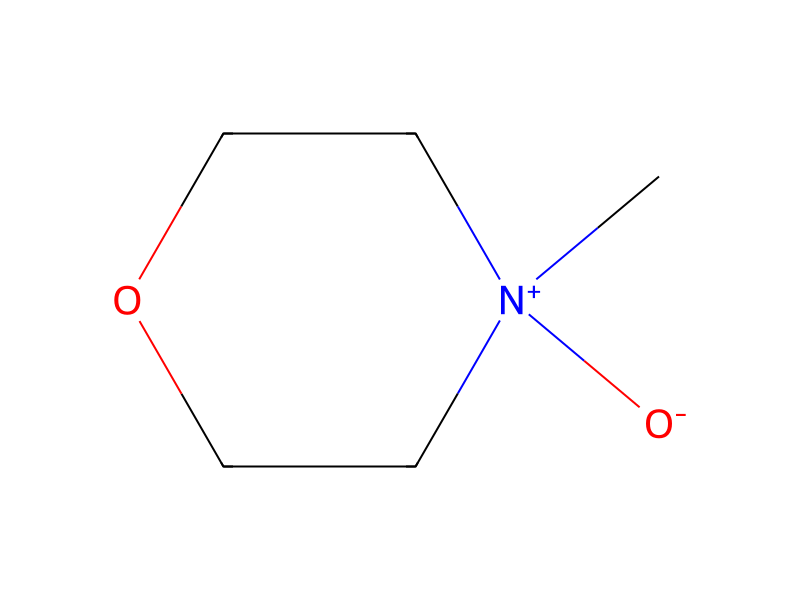

Product 1

Reagents, catalysts & solvents 1

Procedure
A solution of 41.0 g (0.12 mol) of methyl 3-bromomethyl-2-chloro-4-methylsulfonylbenzoate in 250 ml of acetonitrile was admixed with 42.1 g (0.36 mol) of N-methylmorpholine N-oxide. The reaction mixture was stirred for 12 hours at room temperature and then concentrated, and the residue was taken up in ethyl acetate. The solution was extracted with water, dried with sodium sulfate and concentrated. 31.2 g (94% of theory) of methyl 2-chloro-3-formyl-4-methylsulfonylbenzoate were obtained.
Workup
- concentrationconcentrated
- extractionThe solution was extracted with water
- dry with materialdried with sodium sulfate
- concentrationconcentrated
Sources & evidence
- ORD record
- ord-e496e1b894fd4f1ab4ca1ca0bab1ffad
- Source dataset
- uspto-grants-2003_06
- Patent number
- US06576596B1
Reaction notes
Loading…