Homophthalic anhydride → 2-(4-Methoxy-benzyl)-4H-isoquinoline-1,3-dione
Reaction equation

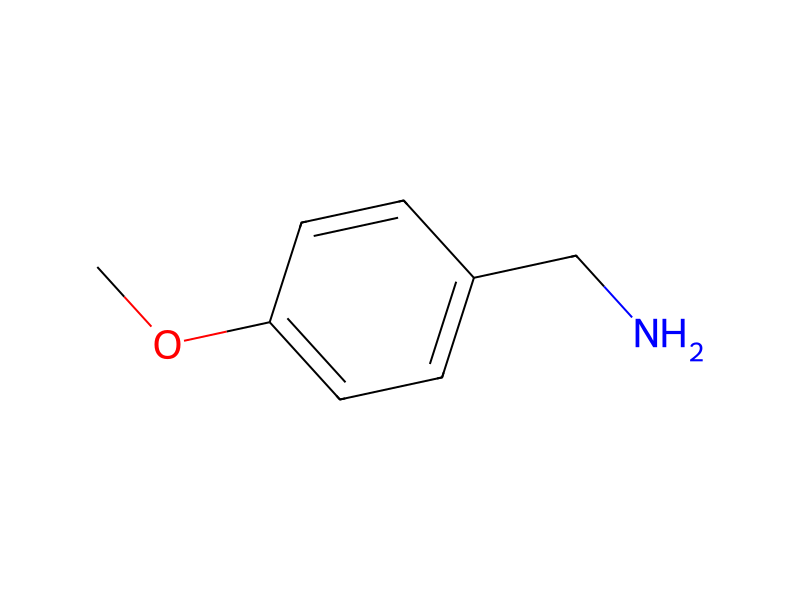
[CH3:1][O:2][C:3]1[CH:10]=[CH:9][C:6]([CH2:7][NH2:8])=[CH:5][CH:4]=1.[C:11]1(=O)[O:17][C:15](=[O:16])[C:14]2=[CH:18][CH:19]=[CH:20][CH:21]=[C:13]2[CH2:12]1>O>[CH3:1][O:2][C:3]1[CH:10]=[CH:9][C:6]([CH2:7][N:8]2[C:11](=[O:17])[CH2:12][C:13]3[C:14](=[CH:18][CH:19]=[CH:20][CH:21]=3)[C:15]2=[O:16])=[CH:5][CH:4]=1Participants
4
Reactant 2

Product 1

Reagents, catalysts & solvents 1

Conditions
- Temperature
- 180 °C
Procedure
4-Methoxybenzylamine (8.3 g) was added to homophthalic anhydride (8.1 g). The mixture was stirred at 180° C. overnight. Water was added to the reaction solution. The mixture was then extracted with ethyl acetate. The organic layer was then dried over anhydrous magnesium sulfate. The solvent was removed by distillation under the reduced pressure. The residue was purified by column chromatography on silica gel (hexane:ethyl acetate=8:2) to give 2-(4-methoxybenzyl)-4H-isoquinoline-1,3-dione (11.8 g).
Workup
- extractionThe mixture was then extracted with ethyl acetate
- dry with materialThe organic layer was then dried over anhydrous magnesium sulfate
- customThe solvent was removed by distillation under the reduced pressure
- customThe residue was purified by column chromatography on silica gel (hexane:ethyl acetate=8:2)
Sources & evidence
- ORD record
- ord-786fdc14e398476285a2f5a47195429a
- Source dataset
- uspto-grants-2003_06
- Patent number
- US06583144B2
Reaction notes
Loading…