Hydrazine → HCID 178506281, compound
Reaction equation

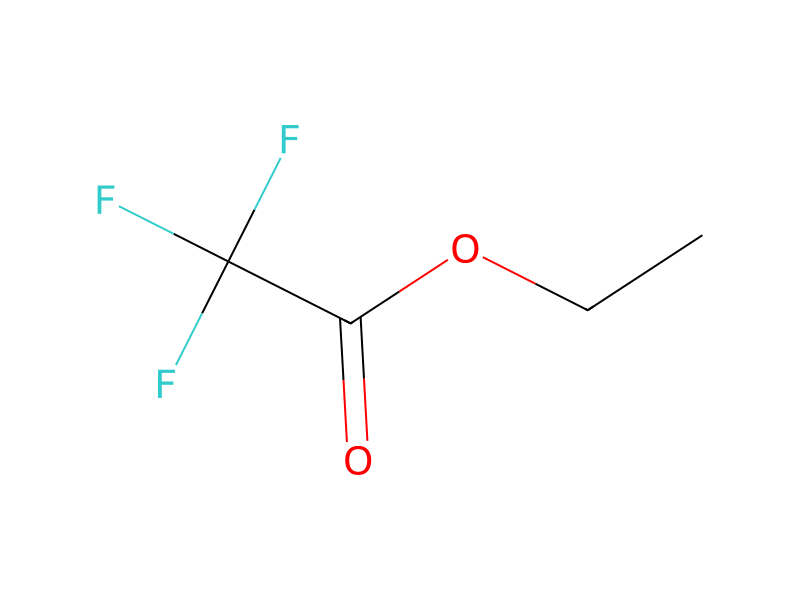
[F:1][C:2]([F:9])([F:8])[C:3](OCC)=O.[NH2:10]N.Cl.[I:13][C:14]1[CH:15]=[C:16]([CH:20]=[CH:21][CH:22]=1)[C:17]([NH2:19])=[NH:18].[OH-].[Na+]>O1CCCC1>[I:13][C:14]1[CH:15]=[C:16]([C:17]2[NH:19][C:3]([C:2]([F:1])([F:8])[F:9])=[N:10][N:18]=2)[CH:20]=[CH:21][CH:22]=1Participants
Reactant 4



Product 1

Reagents, catalysts & solvents 1

Procedure
To a solution of ethyl trifluoroacetate (0.12 mL, 1.00 mmol) in 4.0 mL of dry tetrahydrofuran was added anhydrous hydrazine (25 mL, 0.80 mmol), and the resultant solution was heated to reflux. After one hour, the solution was cooled to room temperature and was added via syringe to a mixture of the amidine hydrochloride (283 mg, 1.00 mmol) from Step B and solid sodium hydroxide (50 mg) in 3.0 mL of dry tetrahydrofuran. The reaction mixture was warmed at reflux for 3 h, and was then allowed to cool to room temperature overnight. The precipitated solids were removed by filtration, and the filtrate was concentrated under reduced pressure to afford a yellow gum, which was partitioned between ethyl acetate and water. The organic layer was washed with saturated aqueous brine, dried (magnesium sulfate) and concentrated under reduced pressure to provide the crude product, which was purified by flash chromatography (silica gel, step gradient, 0 to 20% ethyl acetate/hexanes) to afford the product as a white solid. LC/MS 339.8 (M+1).
Workup
- temperatureThe reaction mixture was warmed
- temperatureat reflux for 3 h
- temperatureto cool to room temperature overnight
- customThe precipitated solids were removed by filtration
- concentrationthe filtrate was concentrated under reduced pressure
- customto afford a yellow gum, which
- customwas partitioned between ethyl acetate and water
- washThe organic layer was washed with saturated aqueous brine
- dry with materialdried (magnesium sulfate)
- concentrationconcentrated under reduced pressure
- customto provide the crude product, which
- customwas purified by flash chromatography (silica gel, step gradient, 0 to 20% ethyl acetate/hexanes)
Sources & evidence
- ORD record
- ord-bbf0ce0686a94d969f9dad2854850836
- Source dataset
- uspto-grants-2007_01
- Patent number
- US07157490B2
Reaction notes
Loading…