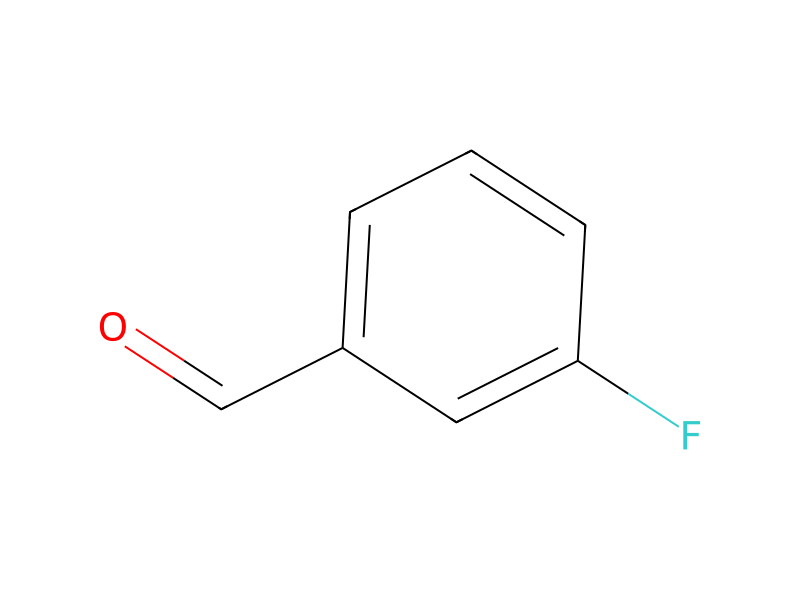
3-Fluorobenzaldehyde → HCID 57435649, compound
Reaction equation

[N:1]1[CH:6]=[CH:5][C:4]([CH2:7][C:8]([O:10][CH2:11][CH3:12])=[O:9])=[CH:3][CH:2]=1.[F:13][C:14]1[CH:15]=[C:16]([CH:19]=[CH:20][CH:21]=1)[CH:17]=O>C(OC(=O)C)(=O)C.C(N(CC)CC)C>[F:13][C:14]1[CH:15]=[C:16](/[CH:17]=[C:7](\[C:4]2[CH:5]=[CH:6][N:1]=[CH:2][CH:3]=2)/[C:8]([O:10][CH2:11][CH3:12])=[O:9])[CH:19]=[CH:20][CH:21]=1Participants
Reactant 2

Product 1

Reagents, catalysts & solvents 2


Procedure
A solution of ethyl 4-pyridylacetate (25.0 g, 0.151 mol) and 3-fluorobenzaldehyde (20.7 g, 0.167 mol) in a mixture of acetic anhydride (100 mL) and triethylamine (20 mL) was heated under reflux for 5.5 hours. After standing to cool, the reaction mixture was concentrated. The residue was diluted with ethyl acetate and a saturated aqueous sodium hydrogencarbonate solution, and the aqueous layer was extracted with ethyl acetate. The combined organic layers were washed with a saturated aqueous sodium hydrogencarbonate solution twice and brine, dried over anhydrous sodium sulfate and then concentrated. The residue was subjected to silica gel column chromatography (eluent; hexane, hexane:ethyl acetate=9:1), to give the title compound (25.5 g, 62%) as a red-orange oil.
Workup
- temperaturewas heated
- temperatureunder reflux for 5.5 hours
- temperatureto cool
- concentrationthe reaction mixture was concentrated
- additionThe residue was diluted with ethyl acetate
- extractiona saturated aqueous sodium hydrogencarbonate solution, and the aqueous layer was extracted with ethyl acetate
- washThe combined organic layers were washed with a saturated aqueous sodium hydrogencarbonate solution twice
- dry with materialbrine, dried over anhydrous sodium sulfate
- concentrationconcentrated
Sources & evidence
- ORD record
- ord-3ea8ef0b2a3e4c948e0caf1049b2a27c
- Source dataset
- uspto-grants-2007_01
- Patent number
- US07160892B2
Reaction notes
Loading…