Phosphoric Acid → Cyclopentanone, 2-(1-hydroxypentyl)-
Reaction equation

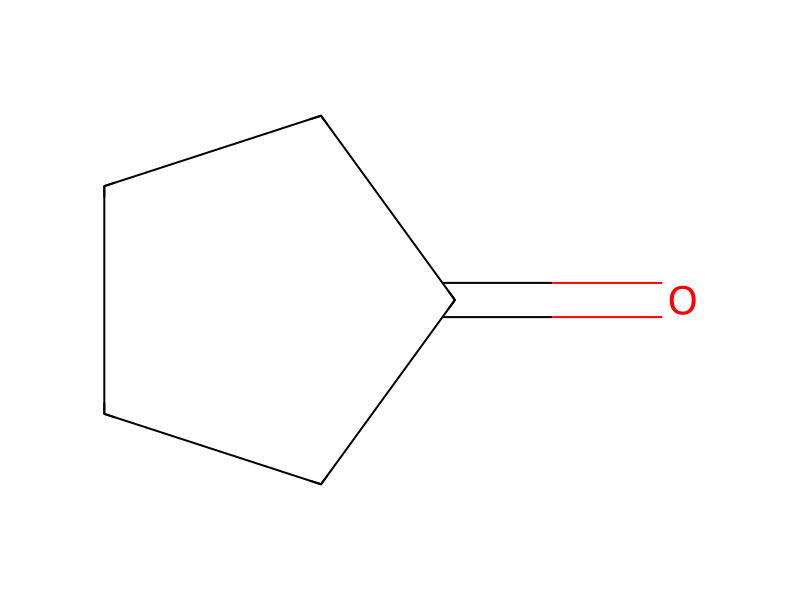
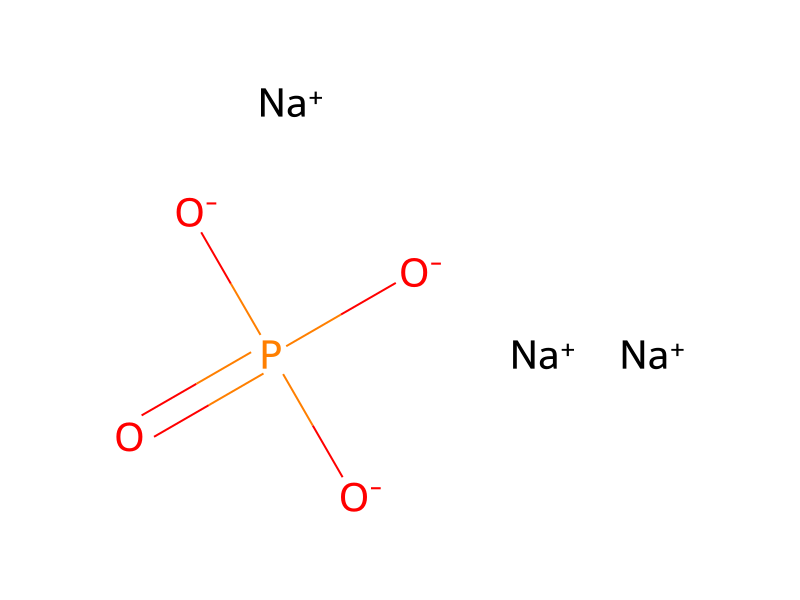
[C:1]1(=[O:6])[CH2:5][CH2:4][CH2:3][CH2:2]1.[OH-].[Na+].P(=O)(O)(O)O.P([O-])([O-])([O-])=O.[Na+].[Na+].[Na+].[CH:22](=[O:27])[CH2:23][CH2:24][CH2:25][CH3:26]>C(=C1CCCC1=O)CCCC>[OH:27][CH:22]([CH:2]1[CH2:3][CH2:4][CH2:5][C:1]1=[O:6])[CH2:23][CH2:24][CH2:25][CH3:26]Participants





Conditions
- Temperature
- 15 °C
Procedure
Then, the aqueous layer and the distilled fraction in (a) were introduced into a 1-L four-necked flask, then 224.6 g cyclopentanone (2.67 mol including re-used cyclopentanone) and 22.6 g (0.271 mol) 48% NaOH including NaOH for converting phosphoric acid contained in the aqueous layer to trisodium phosphate were added thereto. The mixture was cooled to 15° C. under stirring, and 100 g (1.16 mol) valeraldehyde was added dropwise at the same temperature over 5 hours. Thereafter, the mixture was stirred at the same temperature for 2 hours. After the reaction was finished, the mixture was neutralized with 21.7 g (0.233 mol) 105% condensed phosphoric acid and separated into two phases at 40° C. The pH of the aqueous layer was 5.5. The resulting organic layer was 348.8 g, and the aqueous layer was 123.2 g. The organic layer was analyzed in the same manner as in Example 1. The result indicated that the reaction mixture contained 113.5 g (0.667 mol) 2-(1-hydroxy-n-pentyl)cyclopentanone (yield 58.1%) and 4.56 g (0.030 mol) 2-pentylidene cyclopentanone.
Workup
- additionwere added
- stirringThereafter, the mixture was stirred at the same temperature for 2 hours
- customseparated into two phases at 40° C
Sources & evidence
- ORD record
- ord-ade392aad0d84d0c84dabb6f0456317e
- Source dataset
- uspto-grants-2007_01
- Patent number
- US07161041B2
Reaction notes
Loading…