Veratraldehyde → HCID 69424807, compound
Reaction equation

[NH2:1][CH:2]1[CH2:6][CH2:5][NH:4][CH2:3]1.[CH3:7][O:8][C:9]1[CH:10]=[C:11]([CH:14]=[CH:15][C:16]=1[O:17][CH3:18])[CH:12]=O.C(=O)([O-])[O-].[Na+].[Na+]>CO>[NH:4]1[CH2:5][CH2:6][CH:2]([CH:3]=[CH:12][C:11]2[CH:14]=[CH:15][C:16]([O:17][CH3:18])=[C:9]([O:8][CH3:7])[CH:10]=2)[NH:1]1Participants
5
Reactant 3
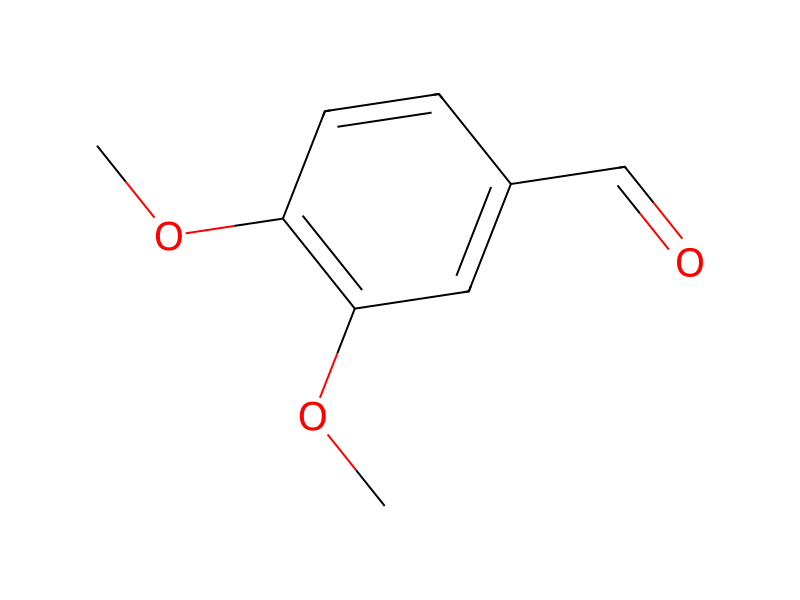


Product 1

Reagents, catalysts & solvents 1

Procedure
3-Aminopyrrolidine is reacted with 3-(3,4-dimethoxybenzaldehyde, which is commercially available from Aldrich (Milwaukee, Wis.) in an inert solvent, for example methanol, in the presence of a base, for example sodium carbonate, and stirred for about 4–24 hours, preferably about 12 hours, at about room temperature. When the reaction is substantially complete, 4-(2-aza-2-pyrrolidin-3-ylvinyl)-1,2-dimethoxybenzene is isolated and purified by conventional means, and used without further purification.
Sources & evidence
- ORD record
- ord-1c11f65109bb473f89dfd55f14319cfc
- Source dataset
- uspto-grants-2007_01
- Patent number
- US07163928B2
Reaction notes
Loading…