Potassium Carbonate → 1-Bromo-3-[(2,2-dimethoxyethyl)sulfanyl]benzene
Reaction equation

[Br:1][C:2]1[CH:3]=[C:4]([SH:8])[CH:5]=[CH:6][CH:7]=1.[CH3:9][O:10][CH:11]([O:14][CH3:15])[CH2:12]Br.C(=O)([O-])[O-].[K+].[K+]>CC(C)=O>[Br:1][C:2]1[CH:7]=[CH:6][CH:5]=[C:4]([S:8][CH2:12][CH:11]([O:14][CH3:15])[O:10][CH3:9])[CH:3]=1Participants
5
Reactant 3

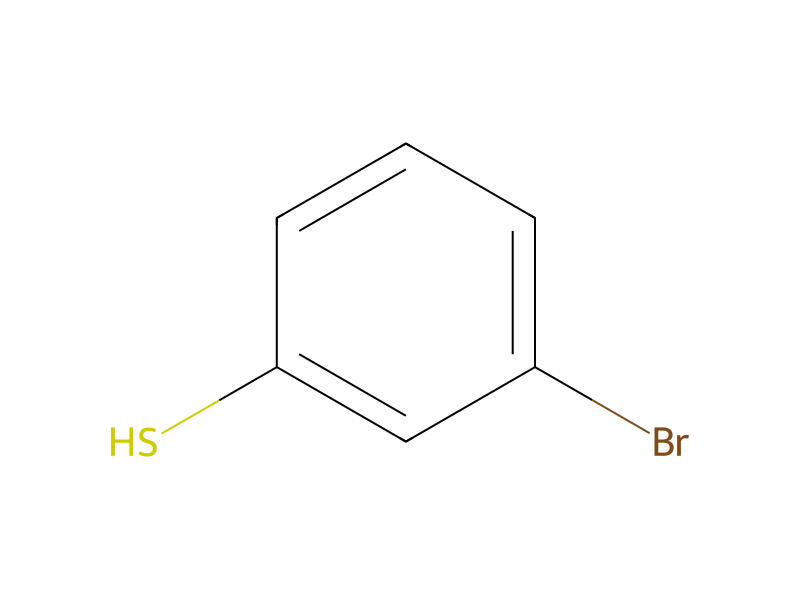

Product 1

Reagents, catalysts & solvents 1

Procedure
Part A: A suspension of 3-bromothiophenol (15.2 g, 81 mmol), bromoacetaldehyde dimethylacetal (9.5 mL, 81 mmol) and potassium carbonate (12.2 g, 88 mmol) in acetone (90 mL) was stirred at ambient temperature overnight. The solid was filtered and rinsed with ether. Evaporation of the filtrate afforded 23 g of 1-bromo-3-((2,2-dimethoxyethyl)thio)benzene which was carried forward without further purification.
Workup
- filtrationThe solid was filtered
- washrinsed with ether
- customEvaporation of the filtrate
Sources & evidence
- ORD record
- ord-781188160e044d48aaca46d9fc7d06cb
- Source dataset
- uspto-grants-2007_01
- Patent number
- US07166586B2
Reaction notes
Loading…