Potassium Carbonate → 2-Chloro-4-methylamino-5-methoxycarbonyl-pyrimidine
Reaction equation

C(=O)([O-])[O-].[K+].[K+].[Cl:7][C:8]1[N:13]=[C:12](Cl)[C:11]([C:15]([O:17][CH3:18])=[O:16])=[CH:10][N:9]=1.Cl.[CH3:20][NH2:21]>O.CC(C)=O>[Cl:7][C:8]1[N:13]=[C:12]([NH:21][CH3:20])[C:11]([C:15]([O:17][CH3:18])=[O:16])=[CH:10][N:9]=1Participants
6





Procedure
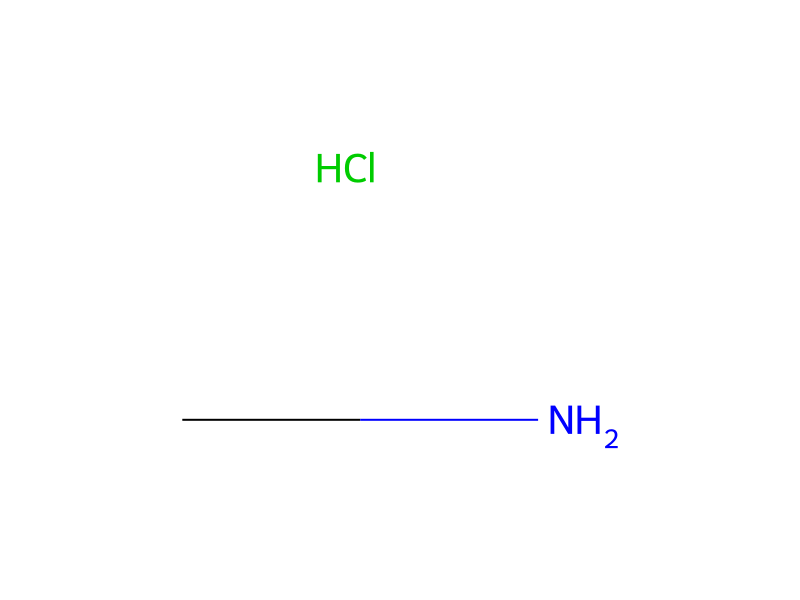
19.1 g of potassium carbonate in 50 ml water are added dropwise to 13 g of 2,4-dichloro-5-methoxycarbonyl-pyrimidine and 4.7 g of methylamine-hydrochloride in 500 ml acetone at 0 to 5° C. within one hour. Then the mixture is stirred for one hour in an ice bath. The acetone is largely removed in vacuo and the residue is distributed between water and ethyl acetate. Then the aqueous phase is extracted twice more with ethyl acetate. The combined organic phases are dried and evaporated down. The residue is separated by chromatography through a silica gel column with cyclohexane/ethyl acetate (2:1).
Workup
- customThe acetone is largely removed in vacuo
- extractionThen the aqueous phase is extracted twice more with ethyl acetate
- customThe combined organic phases are dried
- customevaporated down
- customThe residue is separated by chromatography through a silica gel column with cyclohexane/ethyl acetate (2:1)
Sources & evidence
- ORD record
- ord-0be8beac5a63477185418564f3320924
- Source dataset
- uspto-grants-2007_01
- Patent number
- US07166599B2
Reaction notes
Loading…