Methylglyoxal → Quinoxaline
Reaction equation

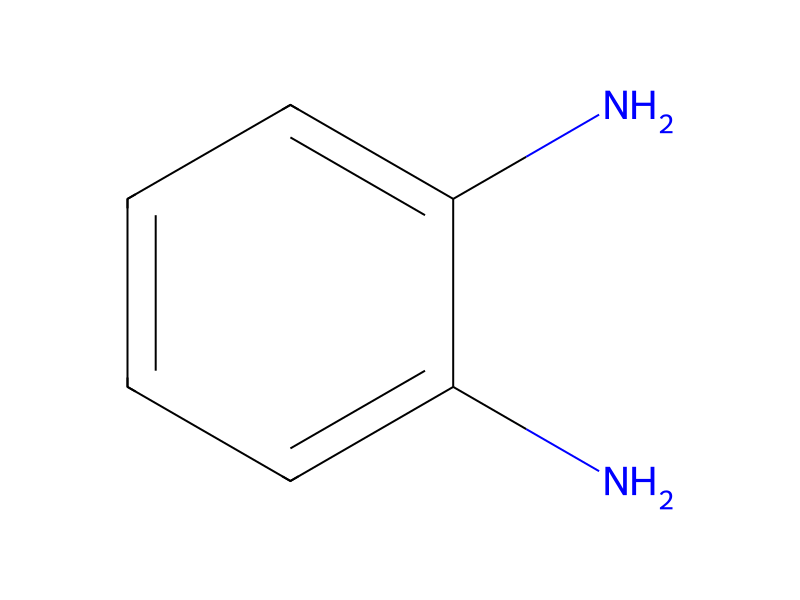
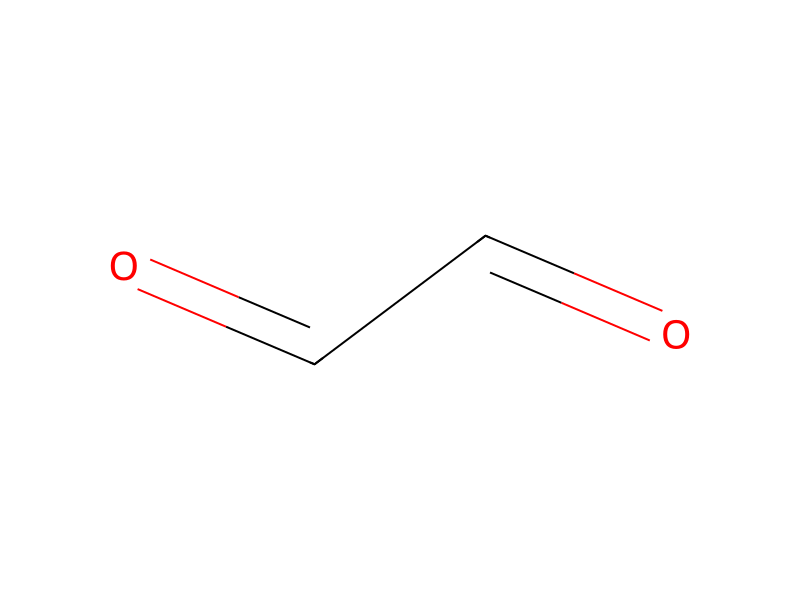
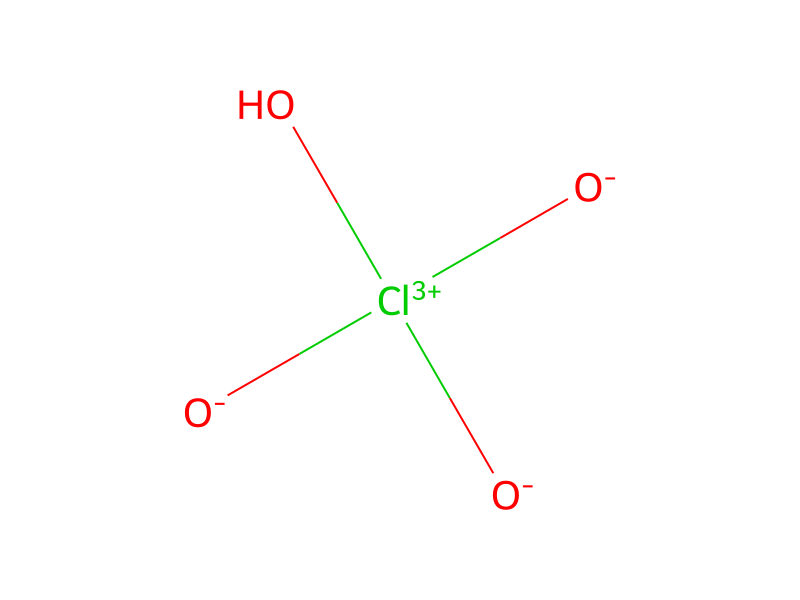
C(C=O)=O.CC(C=O)=O.[CH2:10]([C:17]([CH:19]=O)=O)[C@H:11](O)[C@H:12](O)[CH2:13]O.Cl(O)(=O)(=O)=O.[C:26]1([NH2:33])[CH:31]=[CH:30][CH:29]=[CH:28][C:27]=1[NH2:32]>CC(=O)C(=O)C>[N:32]1[C:12]2[C:11](=[CH:10][CH:17]=[CH:19][CH:13]=2)[N:33]=[CH:26][CH:27]=1.[C:26]1([NH2:33])[CH:31]=[CH:30][CH:29]=[CH:28][C:27]=1[NH2:32]Participants
Reactant 5


Product 2

Reagents, catalysts & solvents 1

Procedure
The quantities of residual glyoxal, methylglyoxal, and 3-deoxyglucosone in the sample solution were determined by high-performance liquid chromatography (HPLC) following the incubation. More specifically, 40 μl of 2M perchloric acid, 40 μl of 1% o-phenylenediamine, and 100 μl of 25 μM 2,3-butanedione were added to 100 μl of the sample after the incubation; the mixture was stirred and incubated at 25° C. for 1 hour. Quinoxaline derivatives produced in the reaction of the dicarbonyl compounds and o-phenylenediamine were quantified by HPLC using a reverse-phase column according to the method of Ohmori et al. (Ohmori S. et al., J. Chromatogr. 414: 149–155,1987). Glyoxal, methylglyoxal, and 3-deoxyglucosone were used as standard samples.
Sources & evidence
- ORD record
- ord-eafb8e2f870947869aa998473a3afabb
- Source dataset
- uspto-grants-2007_01
- Patent number
- US07169407B1
Reaction notes
Loading…