Veratraldehyde → 1,2-Dimethoxy-4-(2-nitroprop-1-enyl)benzene
Reaction equation

[CH:1](=O)[C:2]1[CH:11]=[CH:10][C:7]([O:8][CH3:9])=[C:4]([O:5][CH3:6])[CH:3]=1.C([O-])(=O)C.[NH4+].C1(C)C=CC=CC=1.[N+:25]([CH2:28][CH3:29])([O-:27])=[O:26].O>C1(C)C=CC=CC=1>[CH3:6][O:5][C:4]1[CH:3]=[C:2]([CH:1]=[C:28]([N+:25]([O-:27])=[O:26])[CH3:29])[CH:11]=[CH:10][C:7]=1[O:8][CH3:9]Participants
5
Reactant 3
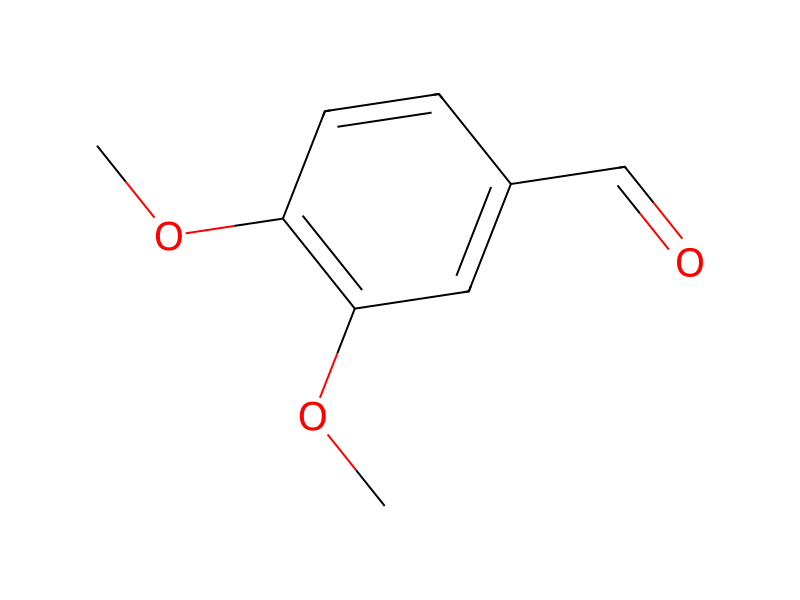


Product 1

Reagents, catalysts & solvents 1

Conditions
- Temperature
- 40 °C
Procedure
A mixture of veratraldehyde (200 g, 1.20 mol), ammonium acetate (94.0 g, 1.22 mol) nitroethane (400 ml, 418 g, 5.57 mol) and toluene (200 ml) is refluxed for 2 hours and thirty minutes, with ternary azeotrope toluene/nitro ethane/water being distilled off and formed water being separated. The red solution is cooled down to about 40° C. and is concentrated to residue at 40°-50° C./20 mbar.
Workup
- distillationdistilled off
- customformed water being
- customseparated
- concentrationis concentrated to residue at 40°-50° C./20 mbar
Sources & evidence
- ORD record
- ord-3421c16cffda4d9093983a0c3a7131fa
- Source dataset
- uspto-grants-1997_09
- Patent number
- US05663360
Reaction notes
Loading…