Ethanolamine → HCID 14548809, compound
Reaction equation

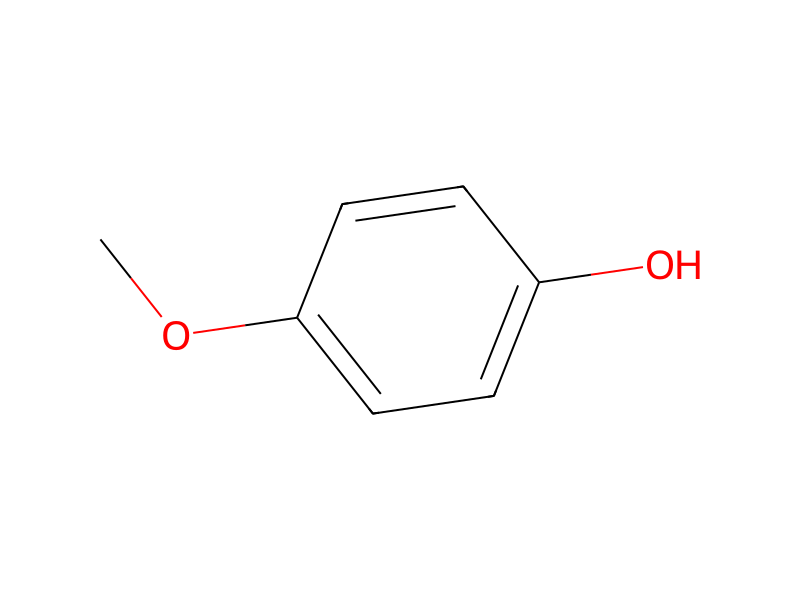
[CH2:1]([CH2:3][NH2:4])[OH:2].[C:5]1(=[O:15])[O:10][C:8](=O)[CH:7]2[CH2:11][CH2:12][CH2:13][CH2:14][CH:6]12.O.[C:17](O)(=[O:20])[CH:18]=[CH2:19].C1(C)C=CC(S(O)(=O)=O)=CC=1.COC1C=CC(O)=CC=1>C1(C)C=CC=CC=1>[C:17]([O:2][CH2:1][CH2:3][N:4]1[C:5](=[O:15])[CH:6]2[CH2:14][CH2:13][CH2:12][CH2:11][CH:7]2[C:8]1=[O:10])(=[O:20])[CH:18]=[CH2:19]Participants







Conditions
- Temperature
- 25 °C
Procedure
A one liter three necked flask was equipped with a mechanical stirrer, condenser and Dean-Stark trap. The flask was charged with 61 g of ethanolamine (1.0 mol.), 300 milliliters toluene, and 151 g of hexahydrophthalic anhydride (1.0 mol.). The reaction was refluxed for 4 hours at which time one mole of water had been collected from the azeotrope. The reaction flask was cooled to room temperature (about 25° C.). Next, the flask was charged with 72 g acrylic acid (1.0 mol.), 16 g p-toluenesulfonic acid (0.08 mol.), and 2 g of p-methoxyphenol (0.01 mol.). The reaction was refluxed for 16 hours at which time one mole of water had been collected from the azeotrope. Next, the reaction flask was placed under vacuum (15 mmHg, 2 kPa) and heated to 120° C. to insure removal of the toluene. The remaining liquid was collected to yield 254 g of 6HPIA (94%). The structure was confirmed by IR and 13C NMR.
Workup
- customhad been collected from the azeotrope
- customhad been collected from the azeotrope
- temperatureheated to 120° C.
- customremoval of the toluene
- customThe remaining liquid was collected
- customto yield 254 g of 6HPIA (94%)
Sources & evidence
- ORD record
- ord-37c791ebf72543d6b32dde1630eff906
- Source dataset
- uspto-grants-1997_09
- Patent number
- US05667842
Reaction notes
Loading…