Acetone → HCID 820605, compound
Reaction equation

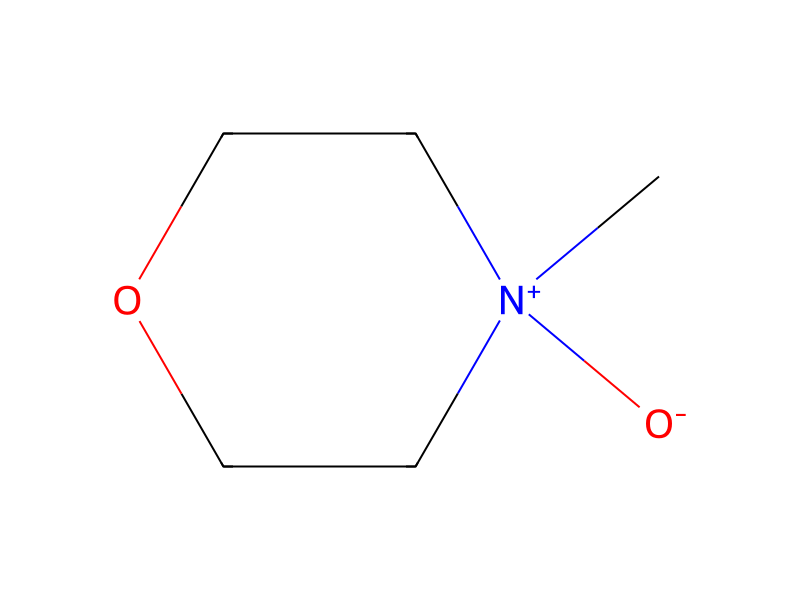
[CH2:1]1C2[C:5](=[CH:6][CH:7]=[CH:8]C=2)[CH:4]=[CH:3][CH2:2]1.C[N+]1([O-])[CH2:17][CH2:16][O:15]CC1.CC(C)=[O:21]>O=[Os](=O)(=O)=O.O>[C@@H:16]1([OH:15])[C:17]2[C:4](=[CH:5][CH:6]=[CH:7][CH:8]=2)[CH2:3][CH2:2][C@@H:1]1[OH:21]Participants
Reactant 3


Product 1

Reagents, catalysts & solvents 2


Procedure
Alternatively, 1,2-dihydronaphthalene (V) is treated with OsO4 and NMMO in a suitable solvent, such as a mixture of acetone and water, at -60° to +20° C., preferably at about 0° C., for 10 to 48 hours, preferably about 26 hours, to give cis-1,2,3,4-tetrahydro-1,2-napthalenediol. The treatment with OsO4 and NMMO can optionally be carried out in the presence of hydroquinine 4-chlorobenzoate, as described in Sharpless, et al, J. Org. Chem., 57, 2768-2771 (1992), in which case predominantly one enantiomer of the cis-diol is produced. The diol is treated with (C6H5)3 PBr2 in the presence of a tertiary amine base, preferably triethylamine, in a suitable solvent, such as CH3CN, at 0° to 50° C., preferably at about 25° C., for 10 to 30 hours, preferably about 20 hours, to form predominantly one enantiomer of the epoxide XI, having the absolute stereochemistry indicated in Reaction Scheme C.
Sources & evidence
- ORD record
- ord-1033e21342ee4d0ca50fa4f6756b86db
- Source dataset
- uspto-grants-1997_09
- Patent number
- US05670666
Reaction notes
Loading…