Acrolein → 6'-hydroxyspiro(9H-fluorene-9,3'-piperidine)-2'-one
Reaction equation

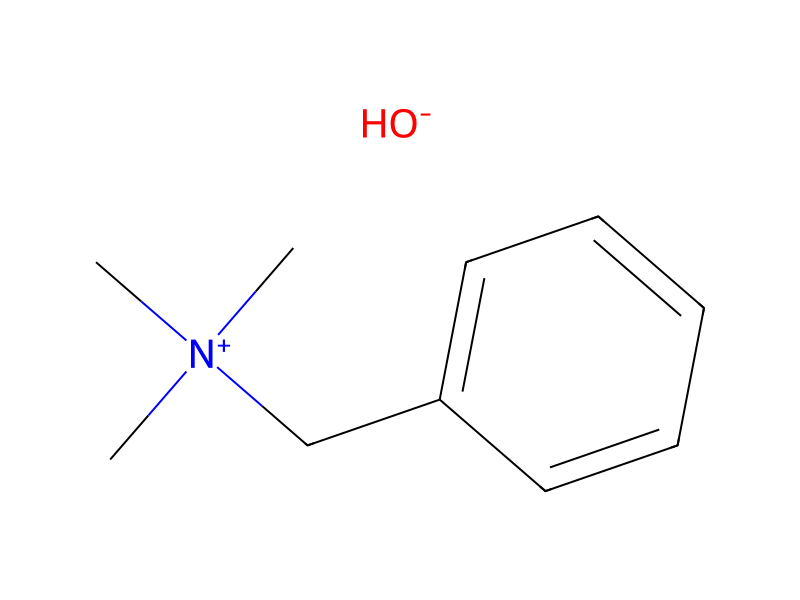
[C:1]([CH:4]1[C:16]2[CH:15]=[CH:14][CH:13]=[CH:12][C:11]=2[C:10]2[C:5]1=[CH:6][CH:7]=[CH:8][CH:9]=2)(=[O:3])[NH2:2].[OH-].C([N+](C)(C)C)C1C=CC=CC=1.[CH:29]([CH:31]=[CH2:32])=[O:30]>O1CCCC1>[OH:30][CH:29]1[NH:2][C:1](=[O:3])[C:4]2([C:16]3[CH:15]=[CH:14][CH:13]=[CH:12][C:11]=3[C:10]3[C:5]2=[CH:6][CH:7]=[CH:8][CH:9]=3)[CH2:32][CH2:31]1Participants
5
Reactant 3


Product 1

Reagents, catalysts & solvents 1

Conditions
- Temperature
- 50 °C
Procedure
Following the general procedure of Example 1, 20.9 g (0.1 mole) of 9-carbamoylfluorene were added to 300 ml of tetrahydrofuran. The solution was heated to 50° C. and stirred while 6 ml of benzyltrimethylammonium hydroxide were added in one portion. After stirring the reaction mixture at 50° C. for thirty minutes, 6.2 g (0.11 mole) of acrolein were added and the mixture was then heated at reflux for four hours. The reaction mixture was cooled to 25° C. and the solvent was removed by evaporation under reduced pressure to provide 29.9 g of 6'-hydroxyspiro(9H-fluorene-9,3'-piperidine)-2'-one and its tautomeric isomer 9-carbamoyl-9-(3-oxo-propyl)fluorene, m.p. 199°-201° C.
Workup
- additionwere added in one portion
- temperaturethe mixture was then heated
- temperatureat reflux for four hours
- temperatureThe reaction mixture was cooled to 25° C.
- customthe solvent was removed by evaporation under reduced pressure
Sources & evidence
- ORD record
- ord-9a861fe8d7584905ab2eb14f88278d89
- Source dataset
- uspto-grants-1986_04
- Patent number
- US04585894
Reaction notes
Loading…