p-Anisoyl chloride → 1-[2-(4-Chlorophenyl)-ethyl]-4-(4-methoxybenzoyl)piperazine
Reaction equation

[Cl:1][C:2]1[CH:7]=[CH:6][C:5]([CH2:8][CH2:9][N:10]2[CH2:15][CH2:14][NH:13][CH2:12][CH2:11]2)=[CH:4][CH:3]=1.C(N(CC)CC)C.[CH3:23][O:24][C:25]1[CH:33]=[CH:32][C:28]([C:29](Cl)=[O:30])=[CH:27][CH:26]=1>ClCCl>[Cl:1][C:2]1[CH:7]=[CH:6][C:5]([CH2:8][CH2:9][N:10]2[CH2:11][CH2:12][N:13]([C:29](=[O:30])[C:28]3[CH:32]=[CH:33][C:25]([O:24][CH3:23])=[CH:26][CH:27]=3)[CH2:14][CH2:15]2)=[CH:4][CH:3]=1Participants
5
Reactant 3
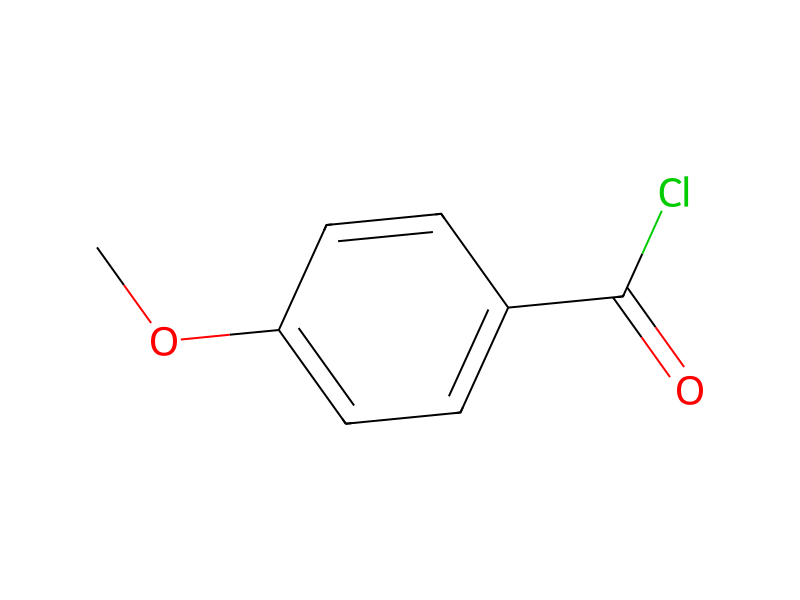


Product 1

Reagents, catalysts & solvents 1

Procedure
22.4 g of 1-[2-(4-chlorophenyl)-ethyl]piperazine and 12.1 g of triethylamine are dissolved in 200 ml of dichloromethane, and a solution of 20.4 g of 4-methoxybenzoyl chloride in 30 ml of dichloromethane is added dropwise, while stirring, at 25°-30°. Stirring is continued overnight at room temperature and then the whole is washed in succession with 150 ml of 2N sodium hydroxide solution and with water, dried over sodium sulphate and concentrated to dryness by evaporation. The residue is crystallised from ethanol. 1-[2-(4-chlorophenyl)-ethyl]-4-(4-methoxybenzoyl)piperazine having a melting point of 105°-106° is obtained.
Workup
- stirringStirring
- washthe whole is washed in succession with 150 ml of 2N sodium hydroxide solution and with water
- dry with materialdried over sodium sulphate
- concentrationconcentrated to dryness by evaporation
- customThe residue is crystallised from ethanol
Sources & evidence
- ORD record
- ord-f0208133054b4a7ebed56a1879bd98ad
- Source dataset
- uspto-grants-1989_02
- Patent number
- US04804661
Reaction notes
Loading…