Formamide → Hydrochloric Acid
Reaction equation

C([NH:3][CH:4]([C:6]1([C:10]2[CH:15]=[CH:14][C:13]([Cl:16])=[C:12]([Cl:17])[CH:11]=2)[CH2:9][CH2:8][CH2:7]1)[CH3:5])=O.C(N)=O>>[ClH:16].[Cl:17][C:12]1[CH:11]=[C:10]([C:6]2([CH:4]([NH2:3])[CH3:5])[CH2:9][CH2:8][CH2:7]2)[CH:15]=[CH:14][C:13]=1[Cl:16]Participants
4
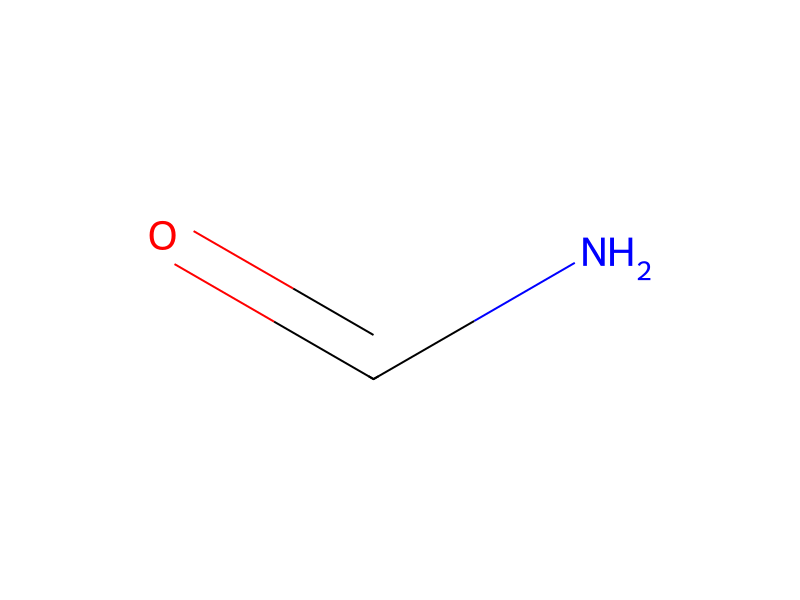



Procedure
The preparation of N-formyl-1-[1-(3,4-dichlorophenyl)cyclobutyl]ethylamine (m.p. 124°-125° C.) (Example 1(a) Formula I R1 =Me; R2 =H; R3 =H; R4 =CHO; R5 =4--Cl and R6 =3--Cl) described above was repeated and the product isolated by cooling the reaction mixture and collecting the solid produced by filtration. The formamide was then hydrolysed by concentrated hydrochloric acid in industriral methylated spirit to give the hydrochloride salt of 1-[1-(3,4-dichlorophenyl)cyclobutyl]ethylamine.
Workup
- customthe product isolated
- temperatureby cooling the reaction mixture
- customcollecting the solid
- customproduced by filtration
Sources & evidence
- ORD record
- ord-c19f9307bcf64c4e85d474ba62a014cc
- Source dataset
- uspto-grants-1989_02
- Patent number
- US04806570
Reaction notes
Loading…