Phenylhydrazine → 4-(2-Chloronicotinoyl)-2,6-di-tertiary butylphenol phenylhydrazone
Reaction equation

[Cl:1][C:2]1[N:24]=[CH:23][CH:22]=[CH:21][C:3]=1[C:4]([C:6]1[CH:11]=[C:10]([C:12]([CH3:15])([CH3:14])[CH3:13])[C:9]([OH:16])=[C:8]([C:17]([CH3:20])([CH3:19])[CH3:18])[CH:7]=1)=O.[C:25]1([NH:31][NH2:32])[CH:30]=[CH:29][CH:28]=[CH:27][CH:26]=1>N1C=CC=CC=1>[C:25]1([NH:31][N:32]=[C:4]([C:6]2[CH:11]=[C:10]([C:12]([CH3:15])([CH3:14])[CH3:13])[C:9]([OH:16])=[C:8]([C:17]([CH3:20])([CH3:19])[CH3:18])[CH:7]=2)[C:3]2[CH:21]=[CH:22][CH:23]=[N:24][C:2]=2[Cl:1])[CH:30]=[CH:29][CH:28]=[CH:27][CH:26]=1Participants
4
Reactant 2
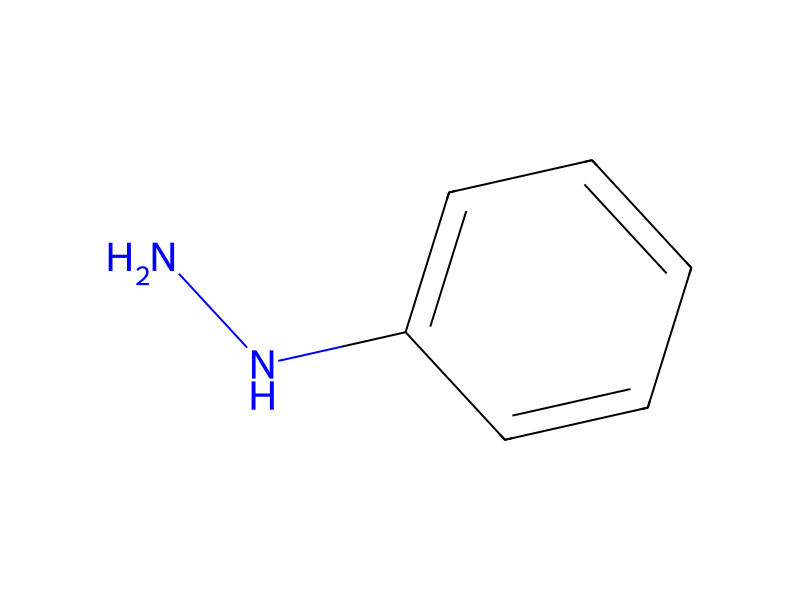

Product 1

Reagents, catalysts & solvents 1

Procedure
A solution of 7 g of 4-(2-chloronicotinoyl)-2,6-di-tertiary butylphenol and 2.4 g of phenylhydrazine in 40 ml of pyridine is refluxed for 7 hours. After the pyridine is distilled off under reduced pressure, to the residue is added water and the precipitated crystals are washed with water to give crude crystals of 4-(2-chloronicotinoyl)-2,6-di-tertiary butylphenol phenylhydrazone, melting at 181° C. with decomposition in an almost quantitative amount.
Workup
- distillationAfter the pyridine is distilled off under reduced pressure, to the residue
- additionis added water
- washthe precipitated crystals are washed with water
Sources & evidence
- ORD record
- ord-9d0ed13e5ea24b309b18589319828561
- Source dataset
- uspto-grants-1989_02
- Patent number
- US04808620
Reaction notes
Loading…