Hydrochloric Acid → Batanopride Hydrochloride
Reaction equation

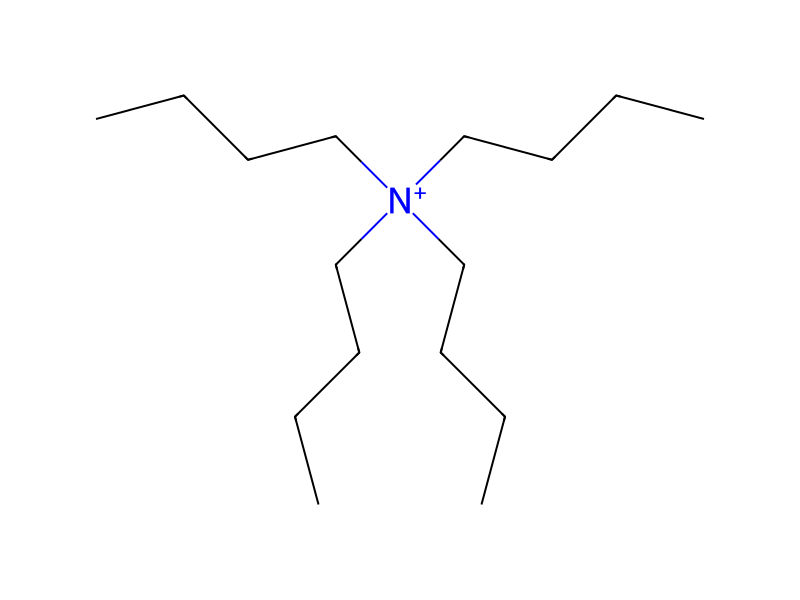
C([N+](CCCC)(CCCC)CCCC)CCC.[NH2:18][C:19]1[C:34]([Cl:35])=[CH:33][C:22]([C:23]([NH:25][CH2:26][CH2:27][N:28]([CH2:31][CH3:32])[CH2:29][CH3:30])=[O:24])=[C:21]([OH:36])[CH:20]=1.Cl[CH:38]([CH3:42])[C:39](=[O:41])[CH3:40].Cl>C(#N)C>[ClH:35].[NH2:18][C:19]1[C:34]([Cl:35])=[CH:33][C:22]([C:23]([NH:25][CH2:26][CH2:27][N:28]([CH2:29][CH3:30])[CH2:31][CH3:32])=[O:24])=[C:21]([O:36][CH:38]([CH3:42])[C:39](=[O:41])[CH3:40])[CH:20]=1Participants
6
Reactant 4



Product 1

Reagents, catalysts & solvents 1

Procedure
A solution of the tetra-n-butylammonium salt of 4-amino-5-chloro-N-[2-(diethylamino)ethyl]-2-hydroxybenzamide (0.53 g, 1.0 mmole) in acetonitrile (6 ml) was treated with 3-chloro-2-butanone (0.11 ml, 0.12 g, 1.1 mmole) and stirred at 20° for 16 hours. After removal of the acetonitrile at reduced pressure, the residue was treated with 10 ml water and extracted with ethyl acetate. The extracts were washed with dilute sodium carbonate, dried and concentrated to leave an oil which was converted to a monohydrochloride salt with 1.0 ml 1N hydrochloric acid. Crystallization of this salt from 2-propanol-ethyl acetate gave the title compound, mp. 176°-179°. This material was identical to that prepared in Example 7C.
Workup
- customAfter removal of the acetonitrile at reduced pressure
- additionthe residue was treated with 10 ml water
- extractionextracted with ethyl acetate
- washThe extracts were washed with dilute sodium carbonate
- customdried
- concentrationconcentrated
- customto leave an oil which
- customCrystallization of this salt from 2-propanol-ethyl acetate
Sources & evidence
- ORD record
- ord-74584300215748aeb7a7e44a92f7622b
- Source dataset
- uspto-grants-1989_02
- Patent number
- US04808624
Reaction notes
Loading…