5-Bromosalicylic acid → 5-bromo-N-(3,4-dichlorophenyl)-2-hydroxybenzamide
Reaction equation

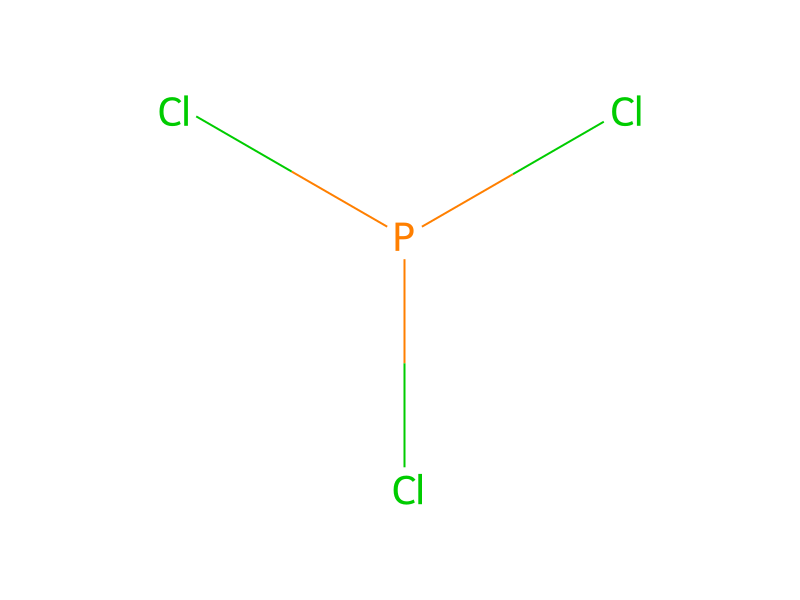
[Br:1][C:2]1[CH:10]=[C:6]([C:7]([OH:9])=O)[C:5]([OH:11])=[CH:4][CH:3]=1.[Cl:12][C:13]1[CH:14]=[C:15]([CH:17]=[CH:18][C:19]=1[Cl:20])[NH2:16].P(Cl)(Cl)Cl>ClC1C=CC=CC=1>[Br:1][C:2]1[CH:10]=[C:6]([C:7]([NH:16][C:15]2[CH:17]=[CH:18][C:19]([Cl:20])=[C:13]([Cl:12])[CH:14]=2)=[O:9])[C:5]([OH:11])=[CH:4][CH:3]=1Participants
Reactant 3


Product 1

Reagents, catalysts & solvents 1

Procedure
A slurry of 5-bromosalicylic acid (15 g, 69 mmol) and 3,4-dichloroaniline (19.85 g, 73 mmol) and phosphorous trichloride (4.74 g 34.5 mmol) in 300 ml of chlorobenzene was refluxed for 3 hr. The hot solution was filtered through a glasswool plug and allowed to stand at room temperature for 18 hr. The crystals which deposited were collected by filtration and washed with fresh chlorobenzene and then methylene chloride to give after drying 19 g (76%) of product mp 230-233°. HPLC tr 19.25 min (Vydac HS5215 C18 ODS, 2.1×150 mm, 0.2 mL/min, gradient, A: water−0.1% trifluoroacetic acid B: acetonitrile−0.1% trifluoroacetic acid, 90-10% A during 20 min, UV detection at 214 nm). Recrystallization from chlorobenzene and then acetone gave 11.5 g of crystals, mp 237-2380°. The structure was verified by X-ray crystallography.
Workup
- filtrationThe hot solution was filtered through a glasswool plug
- filtrationThe crystals which deposited were collected by filtration
- washwashed with fresh chlorobenzene
- custommethylene chloride to give
- dry with materialafter drying 19 g (76%) of product mp 230-233°
- waitHPLC tr 19.25 min (Vydac HS5215 C18 ODS, 2.1×150 mm, 0.2 mL/min, gradient, A: water−0.1% trifluoroacetic acid B: acetonitrile−0.1% trifluoroacetic acid, 90-10% A during 20 min
- customRecrystallization from chlorobenzene
Sources & evidence
- ORD record
- ord-752bcabf1b5f42a68f9b4dc1752e7350
- Source dataset
- uspto-grants-2001_07
- Patent number
- US06255298B1
Reaction notes
Loading…