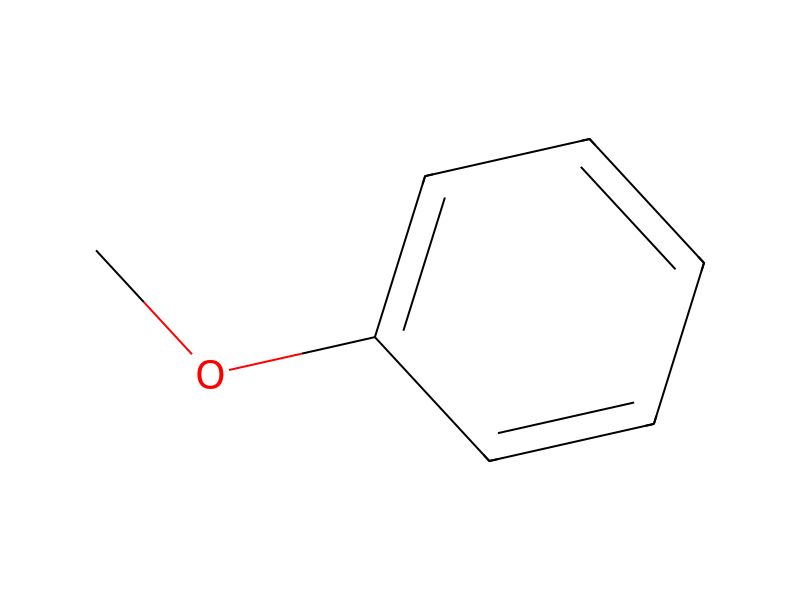
Anisole → 18-(p-Iodophenyl)octadecanol
Reaction equation

C([O:8][CH2:9][CH2:10][CH2:11][CH2:12][CH2:13][CH2:14][CH2:15][CH2:16][CH2:17][CH2:18][CH2:19][CH2:20][CH2:21][CH2:22][CH2:23][CH2:24][CH2:25][CH2:26][C:27]1[CH:32]=[CH:31][C:30]([I:33])=[CH:29][CH:28]=1)C1C=CC=CC=1.C1(OC)C=CC=CC=1.[Cl-].[Al+3].[Cl-].[Cl-]>ClCCl>[I:33][C:30]1[CH:29]=[CH:28][C:27]([CH2:26][CH2:25][CH2:24][CH2:23][CH2:22][CH2:21][CH2:20][CH2:19][CH2:18][CH2:17][CH2:16][CH2:15][CH2:14][CH2:13][CH2:12][CH2:11][CH2:10][CH2:9][OH:8])=[CH:32][CH:31]=1Participants
5
Reactant 3


Product 1

Reagents, catalysts & solvents 1

Procedure
Finally, to a solution of 1-benzyloxy-18-(p-iodophenyl)octadecane (Compound V) (185 mg; 0.33 mmol) and anisole (0.15 ml; 1.32 mmol) in dichloromethane (3 ml) was added anhydrous aluminum chloride (135 mg; 1 mmol) at the room temperature. Stirring was continued for 2 h. The reaction was quenched by diluted hydrochloric acid and extracted by chloroform. Extract was dried (Na2SO4) and evaporated. The residue was chromatographed in hexane-ethyl acetate (gradient from 95:5 to 85:15) to give 18-(p-iodophenyl) octadecanol, Compound VI (123 mg; 77%).
Workup
- customThe reaction was quenched by diluted hydrochloric acid
- extractionextracted by chloroform
- extractionExtract
- dry with materialwas dried (Na2SO4)
- customevaporated
- customThe residue was chromatographed in hexane-ethyl acetate (gradient from 95:5 to 85:15)
Sources & evidence
- ORD record
- ord-54e0b1ce383743008d3153e25f6a14f2
- Source dataset
- uspto-grants-2001_07
- Patent number
- US06255519B1
Reaction notes
Loading…