Dichloromethane → HCID 21183746, compound
Reaction equation

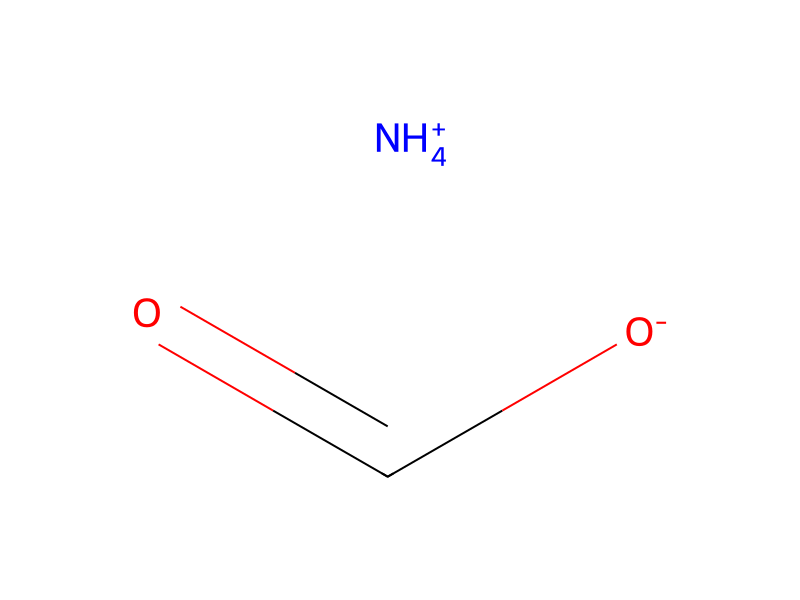
Cl[C:2]1[CH:10]=[CH:9][C:8]2[N:7]([CH3:11])[C:6]3[C:12](=[O:26])[N:13]([C:20]4[CH:25]=[CH:24][CH:23]=[CH:22][CH:21]=4)[N:14]=[C:15]([CH2:16][C:17]([OH:19])=[O:18])[C:5]=3[C:4]=2[CH:3]=1.C([O-])=O.[NH4+].ClCCl>C(O)C.[Pd]>[CH3:11][N:7]1[C:8]2[CH:9]=[CH:10][CH:2]=[CH:3][C:4]=2[C:5]2[C:15]([CH2:16][C:17]([OH:19])=[O:18])=[N:14][N:13]([C:20]3[CH:21]=[CH:22][CH:23]=[CH:24][CH:25]=3)[C:12](=[O:26])[C:6]1=2Participants
6
Reactant 3


Product 1

Reagents, catalysts & solvents 2


Procedure
A solution of 3.3 g (9 mmol) of 8-chloro-5-methyl-4-oxo-3-phenyl-3,5-dihydro-4H-pyridazino[4,5-b]indole-1-acetic acid, of 2.8 g (44 mmol) of ammonium formate and of 1.8 g of 10% palladium-on-charcoal in 500 ml of ethanol is heated at reflux for 5 h. The reaction mixture is cooled, dichloromethane is added, the catalyst is removed by filtration through diatomaceous earth and the solvent is evaporated under reduced pressure. 3 g (9 mmol) of compound are obtained, which compound is used as is in the following stage.
Workup
- temperatureat reflux for 5 h
- temperatureThe reaction mixture is cooled
- customthe catalyst is removed by filtration through diatomaceous earth
- customthe solvent is evaporated under reduced pressure
Sources & evidence
- ORD record
- ord-5b09a523ea994da8832e03cc80584a8a
- Source dataset
- uspto-grants-2001_07
- Patent number
- US06262045B1
Reaction notes
Loading…