Phenylhydrazine → HCID 135810259, compound
Reaction equation

C(O[C:4]([C:6]1[NH:7][C:8]2[C:13]([C:14]=1[C:15](=O)[C:16]([O:18][CH2:19][CH3:20])=[O:17])=[CH:12][C:11]([F:22])=[CH:10][CH:9]=2)=[O:5])C.[C:23]1([NH:29][NH2:30])[CH:28]=[CH:27][CH:26]=[CH:25][CH:24]=1>C(O)(=O)C>[F:22][C:11]1[CH:10]=[CH:9][C:8]2[NH:7][C:6]3[C:4](=[O:5])[N:29]([C:23]4[CH:28]=[CH:27][CH:26]=[CH:25][CH:24]=4)[N:30]=[C:15]([C:16]([O:18][CH2:19][CH3:20])=[O:17])[C:14]=3[C:13]=2[CH:12]=1Participants
4
Reactant 2
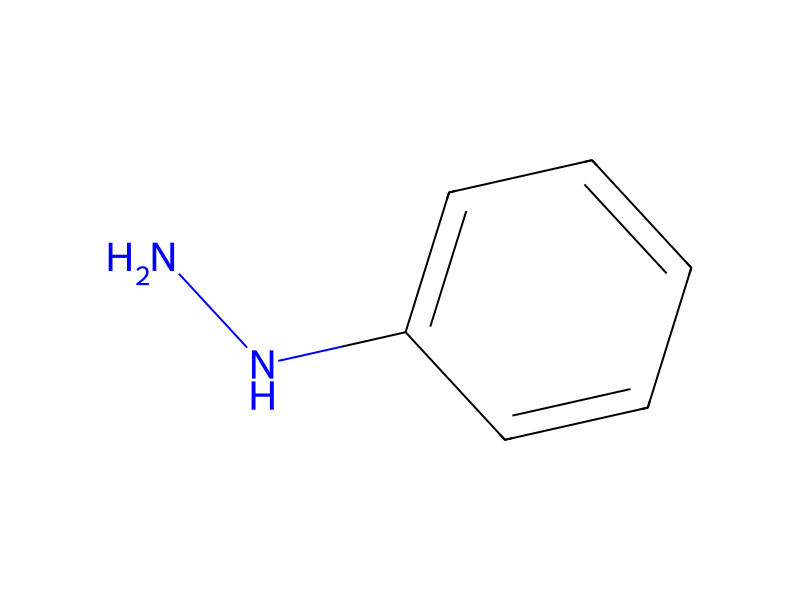

Product 1

Reagents, catalysts & solvents 1

Procedure
The preparation is carried out as in Example 1.3, from 5 g (16.2 mmol) of ethyl 2-(ethoxycarbonyl)-5-fluoro-α-oxo-1H-indole-3-acetate and from 9.5 ml of phenylhydrazine in 150 ml of acetic acid. 3.9 g (11 mmol) of solid are isolated, which solid is used as is in the following stage.
Sources & evidence
- ORD record
- ord-543c78e07d1644d48e295a20b13f1ef8
- Source dataset
- uspto-grants-2001_07
- Patent number
- US06262045B1
Reaction notes
Loading…