Sulfate Ion → Succinic Acid
Reaction equation

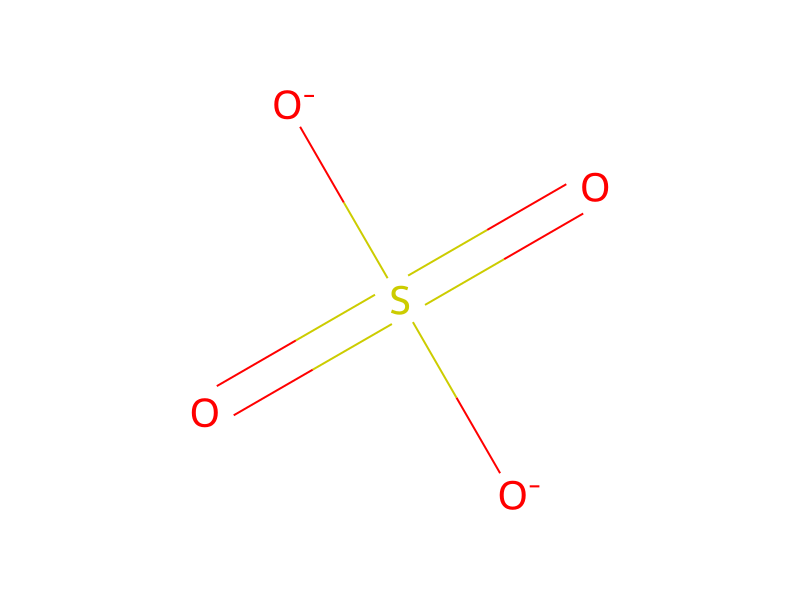
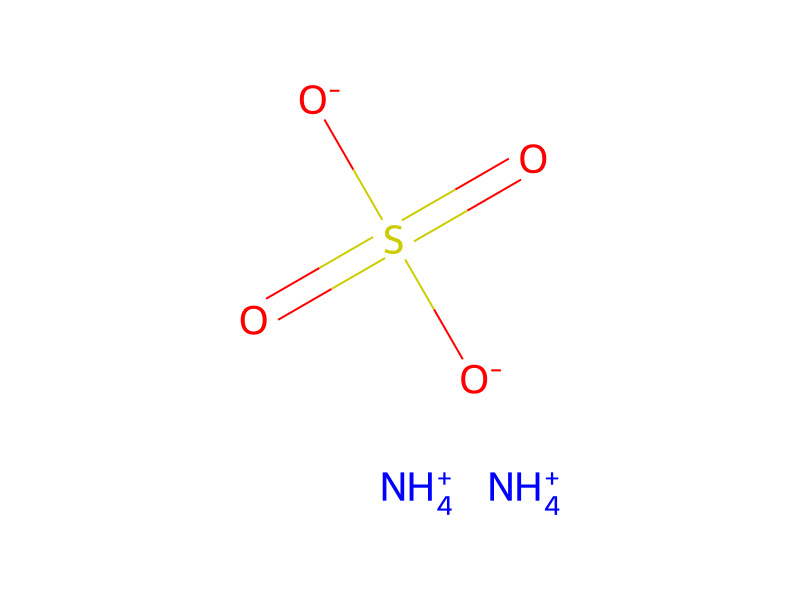
[C:1]([O-:8])(=[O:7])[CH2:2][CH2:3][C:4]([O-:6])=[O:5].[NH4+:9].[NH4+].[S:11]([O-:15])([O-:14])(=[O:13])=[O:12]>>[S:11]([O-:15])([O-:14])(=[O:13])=[O:12].[NH4+:9].[NH4+:9].[C:1]([OH:8])(=[O:7])[CH2:2][CH2:3][C:4]([OH:6])=[O:5]Participants


Procedure
After the diammonium succinate is formed, it is reacted with sulfate ions from a sulfate ion source to form ammonium sulfate and pure succinic acid. This can be accomplished by the addition of sulfuric acid, as the reaction is advantageously performed at a pH of less than 2, preferably between 1.5 and 1.8 to form crystalline succinic acid. Succinic acid has extremely low solubility in aqueous solutions with a pH below 2, particularly in the range of 1.5 to 1.8. In a preferred method, ammonium bisulfate is combined with the ammonium succinate to yield free succinic and ammonium sulfate. The succinic acid can be filtered from the product stream including the ammonium sulfate and further purified by the addition of methanol. Any remaining sulfates will be insoluble in methanol, whereas the succinic acid will be substantially dissolved in the methanol. After methanol is evaporated, substantially pure crystalline succinic acid remains. The evaporated methanol can be condensed and reused.
Sources & evidence
- ORD record
- ord-66f8008fda1545558a792342854bff76
- Source dataset
- uspto-grants-2001_07
- Patent number
- US06265190B1
Reaction notes
Loading…