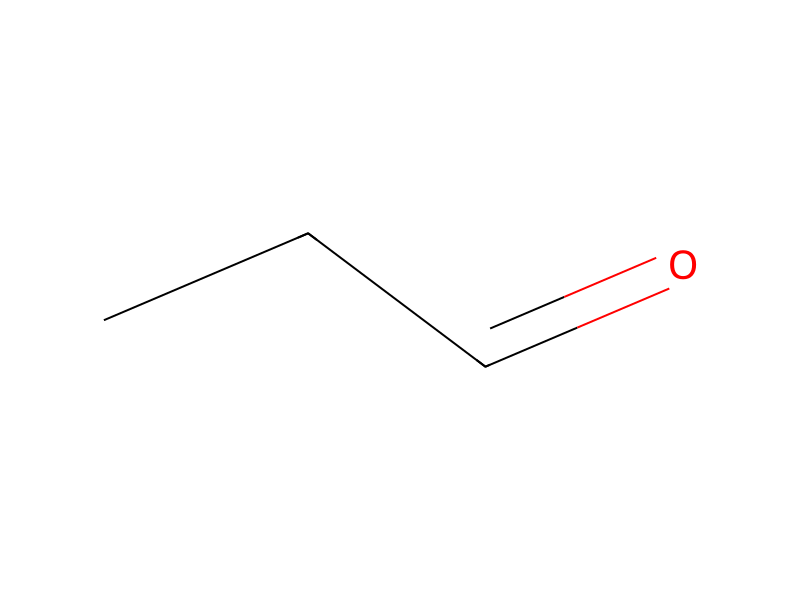
Acetone → Propanal
Reaction equation

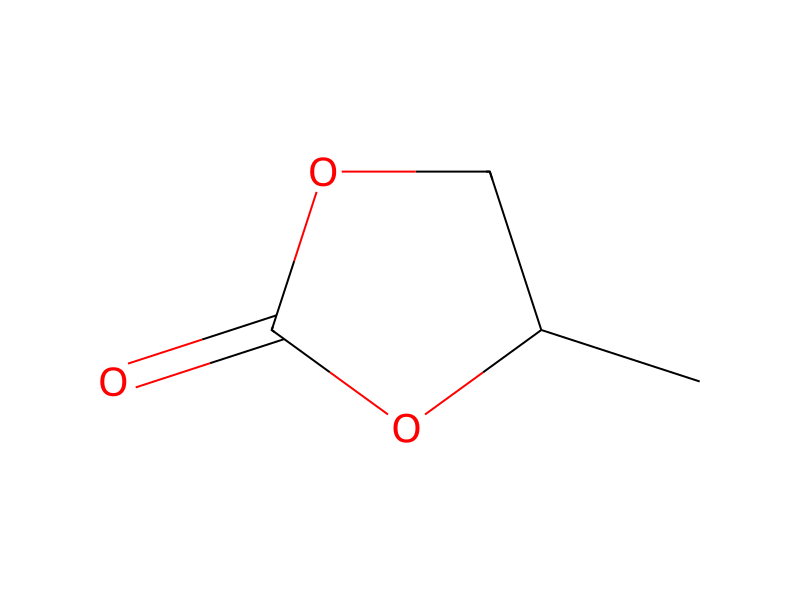
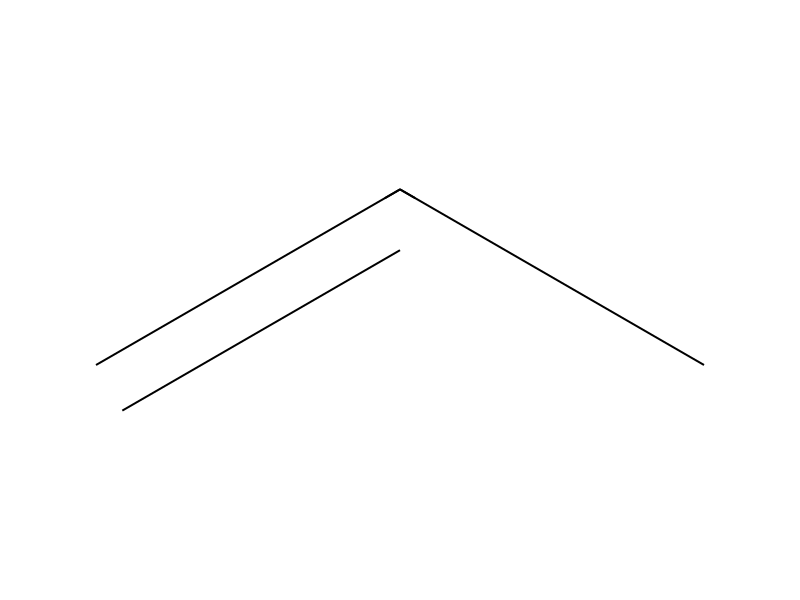
[I-].[K+].C=CC.C(=O)=O.O=O.C1(=O)[O:16][CH:14]([CH3:15])[CH2:13][O:12]1.[CH3:18][C:19]([CH3:21])=[O:20]>O>[CH2:13]([OH:12])[CH:14]([OH:16])[CH3:15].[CH:13](=[O:12])[CH2:14][CH3:15].[CH2:18]1[O:20][CH:19]1[CH3:21]Participants







Conditions
- Temperature
- 120 °C
Procedure
Into a 500 ml Hastelloy stirred autoclave, there was introduced 10.6 g of cuprous iodide, 9.24 g of potassium iodide, 6.15 g of cupric carbonate dihydroxide, 150 ml of water, 16.0 g of propylene, 600 psia of carbon dioxide, and 200 psia of oxygen. The reaction mixture was heated at 120° C. for 5 hours. The workup procedure was essentially the same as described in Example 1. The reaction produced 41 mmoles of propylene carbonate, 7 mmoles of propylene glycol, 7 mmoles of propylene iodohydrins, 7 mmoles of acetone, 2 mmoles of propanal, and 1 mmole of propylene oxide. The productivity rate amounted to 0.086 mole/liter-hour. In a comparison of Example 11 with Example 13, the use of ferrous iodide gave a higher productivity rate than that obtained using cuprous iodide.
Sources & evidence
- ORD record
- ord-2ab11ecfcc26455f8fe02bc2655af73b
- Source dataset
- uspto-grants-1981_01
- Patent number
- US04247465
Reaction notes
Loading…