Ammonia → 1,4-Benzenedimethanamine
Reaction equation

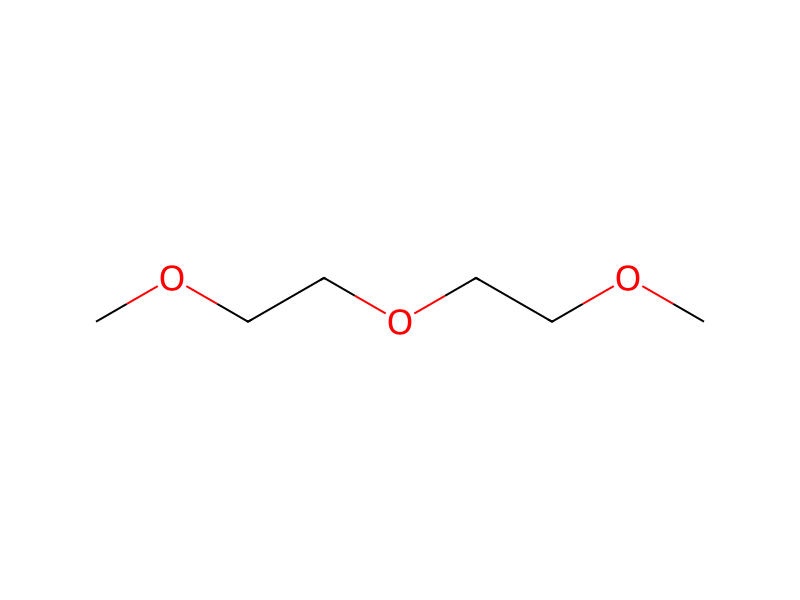
COCCOCCOC.N.[C:11](#[N:20])[C:12]1[CH:19]=[CH:18][C:15]([C:16]#[N:17])=[CH:14][CH:13]=1.[H][H]>O>[C:12]1([CH2:11][NH2:20])[CH:19]=[CH:18][C:15]([CH2:16][NH2:17])=[CH:14][CH:13]=1Participants
Reactant 4



Product 1

Reagents, catalysts & solvents 1

Conditions
- Temperature
- 125 °C
Procedure
A stirred autoclave is charged with 900 ml. of diethylene glycol dimethyl ether (Diglyme), 100 ml. ammonia, 100 g. terephthalonitrile (TPN) and the desired amount of catalyst and 100 ml of water. The autoclave is heated to 125° C. Hydrogen is introduced rapidly until the selected pressure is reached. The absorption of hydrogen starts immediately and additional hydrogen is added to keep the pressure at the selected level. The course of the reaction is monitored by measuring the volume of hydrogen consumed and by periodic withdrawal of a small sample of the reaction mixture for analysis. When the analysis indicates that all of the terephthalonitrile is reacted, the agitation is stopped and the reactor is cooled rapidly and vented. The reaction mixture is filtered to recover the catalyst and then is flash evaporated to remove solvent. The residual oil is distilled at about 100° C. and 0.5 mm Hg. to give practically pure p-xylylene diamine. A small amount of high rolling residue remains in the distillation pot.
Workup
- additionA stirred autoclave is charged with 900 ml
- customThe absorption of hydrogen
- additionadditional hydrogen is added
- customconsumed and by periodic withdrawal of a small sample of the reaction mixture for analysis
- customis reacted
- temperaturethe reactor is cooled rapidly
- filtrationThe reaction mixture is filtered
- customto recover the catalyst
- customevaporated
- customto remove solvent
- distillationThe residual oil is distilled at about 100° C.
Sources & evidence
- ORD record
- ord-67dcf911b1d244699b2e06eada242423
- Source dataset
- uspto-grants-1981_01
- Patent number
- US04247478
Reaction notes
Loading…