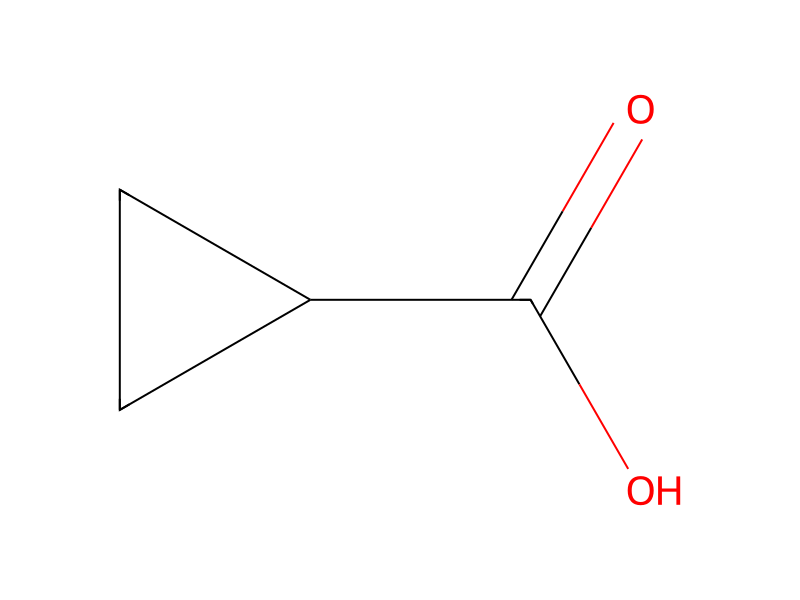
Cyclopropanecarboxylic acid → HCID 70552987, compound
Reaction equation

C1(C([Cl:6])=O)CC1.C1(C(O)=O)CC1.CC1(C(Cl)=O)CC1.CC1(C(O)=O)CC1.Cl.[C:28]([NH:32][CH2:33][C:34]([C:36]1[CH:41]=[CH:40][C:39]([O:42][C:43]([CH:45]2[CH2:47][CH2:46]2)=[O:44])=[C:38]([O:48][C:49]([CH:51]2[CH2:53][CH2:52]2)=[O:50])[CH:37]=1)=[O:35])([CH3:31])([CH3:30])[CH3:29]>>[ClH:6].[CH:51]1([C:49]([O:48][C:38]2[CH:37]=[C:36]([CH:41]=[CH:40][C:39]=2[O:42][C:43]([CH:45]2[CH2:47][CH2:46]2)=[O:44])[CH:34]([OH:35])[CH2:33][NH:32][C:28]([CH3:31])([CH3:29])[CH3:30])=[O:50])[CH2:53][CH2:52]1Participants
6


Procedure
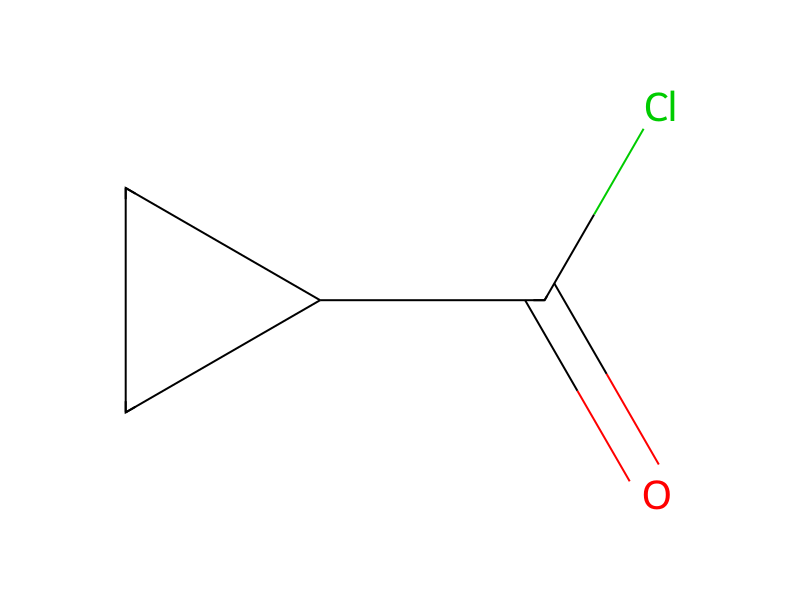
When cyclopropanecarbonyl chloride and cyclopropanecarboxylic acid are substituted for the 1-methylcyclopropanecarbonyl chloride and 1-methylcyclopropanecarboxylic acid, respectively, in the procedure described in Example 13A above, the acylation product obtained is 3,4-bis(cyclopropanecarbonyloxy)phenyl tert-butylaminomethyl ketone hydrochloride; and when this product is catalytically hydrogenated using the procedure described in Example 13B above, there is obtained 3,4-bis(cyclopropanecarbonyloxy)-alpha-(tert-butylaminomethyl)benzyl alcohol hydrochloride.
Workup
- customobtained
Sources & evidence
- ORD record
- ord-401ffd0954744ccd833e8adce02b9026
- Source dataset
- uspto-grants-1979_02
- Patent number
- US04138581
Reaction notes
Loading…