Water → 3-Chloro-6'-methyl-2,3'-bipyridine
Reaction equation

B(O)O.Cl[C:5]1[C:10]([Cl:11])=[CH:9][CH:8]=[CH:7][N:6]=1.C(=O)([O-])[O-].[K+].[K+].O.[C:19](#[N:21])[CH3:20]>C1C=CC([P]([Pd]([P](C2C=CC=CC=2)(C2C=CC=CC=2)C2C=CC=CC=2)([P](C2C=CC=CC=2)(C2C=CC=CC=2)C2C=CC=CC=2)[P](C2C=CC=CC=2)(C2C=CC=CC=2)C2C=CC=CC=2)(C2C=CC=CC=2)C2C=CC=CC=2)=CC=1>[Cl:11][C:10]1[C:5]([C:20]2[CH:19]=[N:21][C:9]([CH3:10])=[CH:8][CH:7]=2)=[N:6][CH:7]=[CH:8][CH:9]=1Participants
7




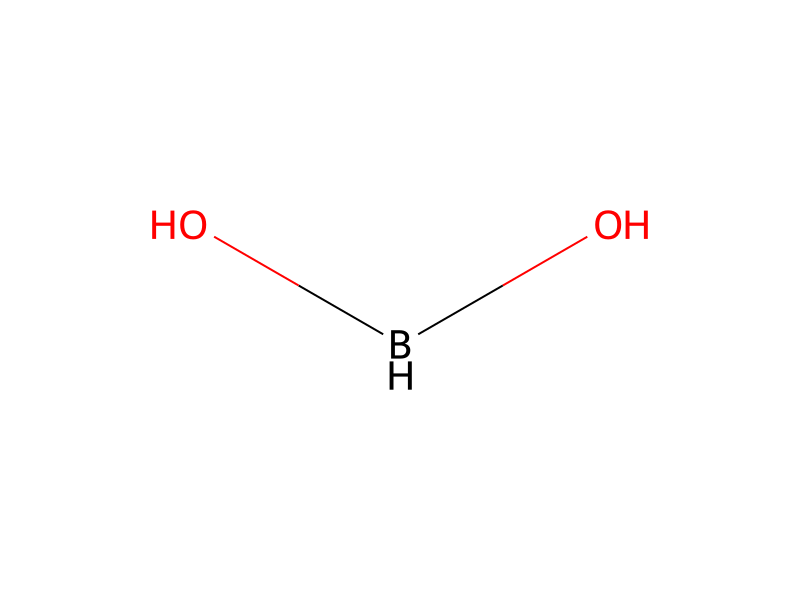


Conditions
- Temperature
- 160 °C
Procedure
The above boronic acid (4.2 mmol) was dissolved in acetonitrile (2 ml) and added to a 5 ml microwave vessel. To the solution was 6.9 mmol of 2,3-dichloropyridine (1.01 g), 53 mg of tetrakis(triphenylphosphine)palladium(0). After stirring until dissolution, 13.8 mmol of potassium carbonate (1.90 g) was added, followed by 1 ml of water. The mixture was then heated at 160° C. for 300 seconds. After reaction completion, the solvents were evaporated under vacuum. The target compound was purified by HPLC to give a yellow solid (800 mg; 85%).
Workup
- additionadded to a 5 ml microwave vessel
- additionwas added
- customAfter reaction completion
- customthe solvents were evaporated under vacuum
- customThe target compound was purified by HPLC
- customto give a yellow solid (800 mg; 85%)
Sources & evidence
- ORD record
- ord-4ca0e80328f7485f8532f428d7656dd6
- Source dataset
- uspto-grants-2008_03
- Patent number
- US07338950B2
Reaction notes
Loading…