Lithium Hydroxide → 2-[4-(4,4,5,5-Tetramethyl-1,3,2-dioxaborolan-2-yl)phenyl]cyclopropanecarboxylic acid
Reaction equation

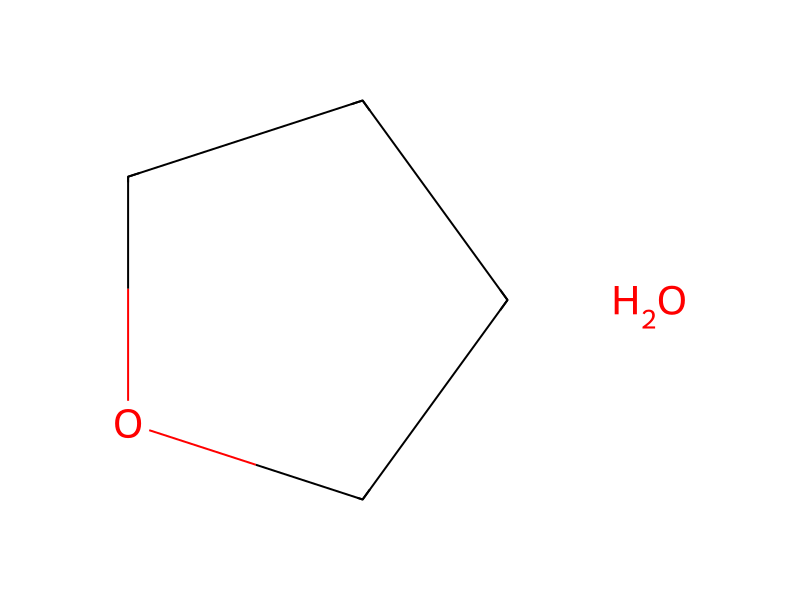
[CH3:1][C:2]1([CH3:23])[C:6]([CH3:8])([CH3:7])[O:5][B:4]([C:9]2[CH:14]=[CH:13][C:12]([CH:15]3[CH2:17][CH:16]3[C:18]([O:20]CC)=[O:19])=[CH:11][CH:10]=2)[O:3]1.[Li+].[OH-]>C1COCC1.O>[CH3:7][C:6]1([CH3:8])[C:2]([CH3:1])([CH3:23])[O:3][B:4]([C:9]2[CH:14]=[CH:13][C:12]([CH:15]3[CH2:17][CH:16]3[C:18]([OH:20])=[O:19])=[CH:11][CH:10]=2)[O:5]1Participants
4
Reactant 2


Product 1

Reagents, catalysts & solvents 1
Procedure
To a solution of ester from step 2 in THF-H2O (0.2M) was added LiOH (3 eq, 2M) and the mixture was stirred at rt for 18 h. The organic solvent evaporated, aqueous was acidified with HCl 1N and the acid extracted with EtOAc (3×). The organic was washed with brine, dried and solvent evaporated to afford the title carboxylic acid.
Workup
- customThe organic solvent evaporated
- extractionthe acid extracted with EtOAc (3×)
- washThe organic was washed with brine
- customdried
- customsolvent evaporated
Sources & evidence
- ORD record
- ord-ed74b980dbf2423da1a7b22d328f4b43
- Source dataset
- uspto-grants-2008_03
- Patent number
- US07342024B2
Reaction notes
Loading…