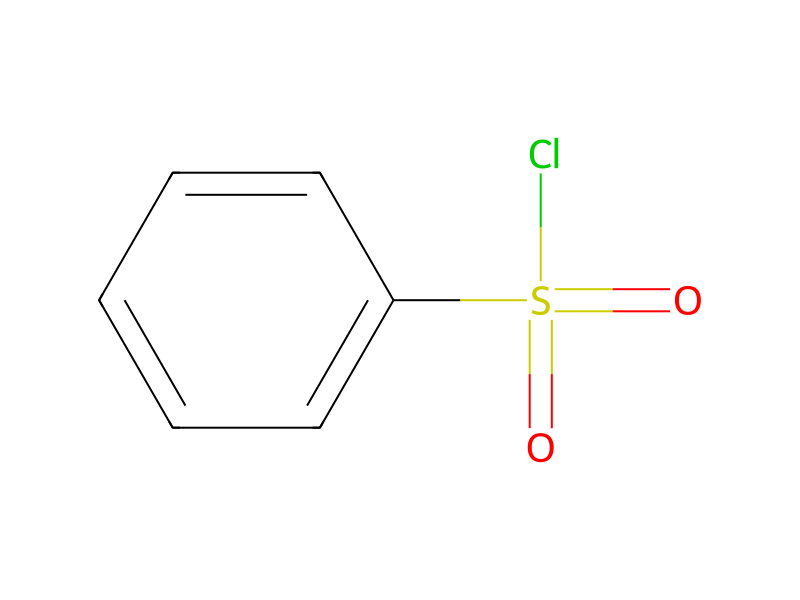
[CH2:1]([C:3]1[CH:4]=[C:5]2[C:9](=[CH:10][CH:11]=1)[NH:8][CH:7]=[C:6]2[CH2:12][CH2:13][C:14]([OH:16])=[O:15])[CH3:2].C([Li])CCC.[C:22]1([S:28](Cl)(=[O:30])=[O:29])[CH:27]=[CH:26][CH:25]=[CH:24][CH:23]=1>C1COCC1>[C:22]1([S:28]([N:8]2[C:9]3[C:5](=[CH:4][C:3]([CH2:1][CH3:2])=[CH:11][CH:10]=3)[C:6]([CH2:12][CH2:13][C:14]([OH:16])=[O:15])=[CH:7]2)(=[O:30])=[O:29])[CH:27]=[CH:26][CH:25]=[CH:24][CH:23]=1The indole propionic acid 14 (100 mg, 0.46 mmol) was dissolved in THF (5.0 mL) and cooled to −78° C. To this solution was added n-butyllithium (n-BuLi; 0.4 mL, 1.0 mmol, 2.4 M in hexanes) dropwise and the mixture was stirred at −78° C. for 1 hour. To this mixture was added benzenesulfonyl chloride (0.13 mL, 1 mmol) and the reaction was allowed to stir overnight and warm to room temperature. The mixture was poured into ice cold H3PO4 and extracted with EtOAc. The organic layer was dried over MgSO4, filtered and evaporated. The residue was purified by flash chromatography (5% MeOH/CHCl3) to give compound 6 as a white solid (10 mg; M−1=356.4).
読み込み中…