Methanol → Butyl Methacrylate
Reaction equation

[C:1]([O:6][CH3:7])(=[O:5])[C:2]([CH3:4])=[CH2:3].CO[C:10]1[CH:16]=CC(O)=C[CH:11]=1.CO>C/C(/[O-])=C/C(C)=O.C/C(/[O-])=C/C(C)=O.C/C(/[O-])=C/C(C)=O.C/C(/[O-])=C/C(C)=O.[Zr+4].C(O)CCC>[C:1]([O:6][CH2:7][CH2:11][CH2:10][CH3:16])(=[O:5])[C:2]([CH3:4])=[CH2:3]Participants
6
Reactant 3


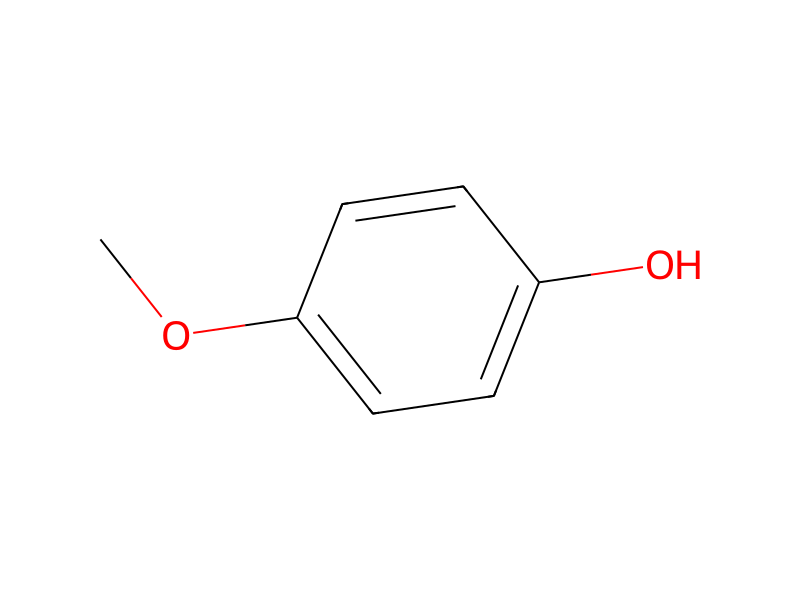
Product 1
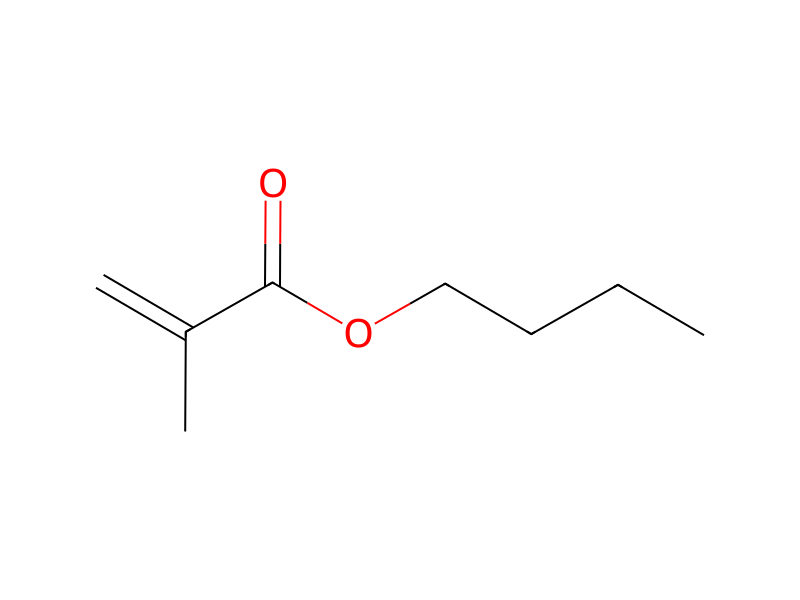
Reagents, catalysts & solvents 2


Procedure
An 74.1 g (1.0 mole) amount of n-butanol, 250.2 g (2.5 moles) of methyl methacrylate, 0.488 g (0.001 mole) of zirconium acetylacetonate and 0.28 g of hydroquinone monomethyl ether were added to a one liter flask fitted with an agitator, thermometer and fractionating tower and were heated and agitated. An azeotropic mixture of methyl methacrylate and methanol from the upper part (top) of the fractionating tower was removed at a reflux ratio of 5 to 10:1 to continuously advance the reaction. The reaction was conducted for 1.5 hours while the temperature at the top was 65° to 70° C. and the flask temperature was 104° to 130° C. The reaction showed a 99.5% conversion of n-butanol and a 99.2% yield of n-butyl methacrylate.
Workup
- customfitted with an agitator
- temperaturewere heated
- customwas removed at a reflux ratio of 5 to 10:1
- customthe reaction
- customwas 65° to 70° C.
- customwas 104° to 130° C
Sources & evidence
- ORD record
- ord-f865395c168049078ac25dbb9dae751f
- Source dataset
- uspto-grants-1980_05
- Patent number
- US04202990
Reaction notes
Loading…